
Explore the Atlas Mountains: A Journey Through Morocco
The Atlas Mountains are one of Morocco’s most rewarding regions to visit, offering dramatic peaks, green valleys, Amazigh villages, waterfalls, and some of North Africa’s finest hiking, with the High Atlas and Mount Toubkal providing the main draw. The High Atlas reaches 4,167 meters at Jbel Toubkal, North Africa’s highest mountain, while lower valleys around Marrakech let you enjoy mountain scenery without a demanding summit trek.
Stretching diagonally across Morocco, the Atlas range creates a remarkable change in scenery from the country’s cities and coastal areas. A trip here can be as active or relaxed as you want: spend a few hours walking through a valley, visit an Amazigh village, stay in a mountain lodge, or commit to a multi-day trek toward Toubkal.
Journey Through Atlas Mountains, Morocco
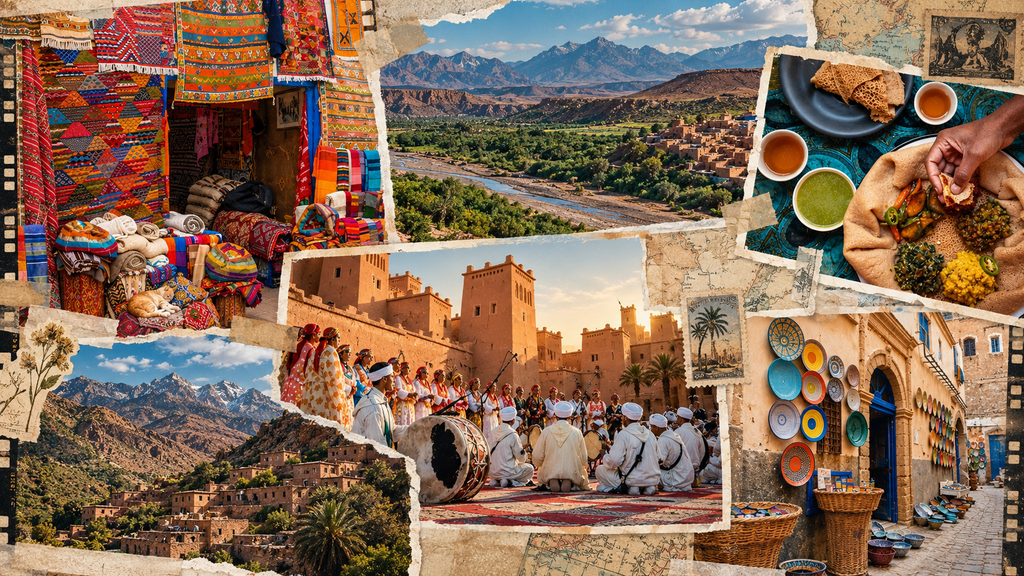
The Atlas Mountains are not a single mountain chain but a series of ranges extending across Morocco and North Africa. For travelers, the High Atlas is the most important section because it contains Morocco’s highest peaks and many of its best-known trekking areas.
| Feature | Details |
| Country | Morocco |
| Main mountain range for trekking | High Atlas |
| Highest peak | Jbel Toubkal |
| Toubkal elevation | 4,167 m (13,671 ft) |
| Main access point | Marrakech |
| Popular mountain base | Imlil |
| Well-known valleys | Ourika, Azzaden, Aït Bouguemez |
| Popular activities | Hiking, trekking, village visits, scenic drives |
| Best hiking periods | Spring and autumn generally offer milder conditions |
| Winter conditions | Snow and more challenging conditions at high elevations |
The exact experience depends heavily on elevation; a Mulchey walk can be relatively gentle, while a high-altitude trek may involve steep climbs, snow, cold temperatures, and long walking days.
Where Are the Atlas Mountains in Morocco?
The Atlas Mountains stretch across much of Morocco, separating different climatic and geographic zones. The High Atlas runs for roughly 750 kilometers according to Morocco’s National Tourist Office and contains a mixture of high peaks, valleys, agricultural communities, and protected landscapes.
For international visitors, Marrakech is the most convenient starting point for many High Atlas experiences. Several mountain areas are reachable on a day trip from the city, while travelers planning longer treks can continue to villages such as Imlil.
Other parts of the Atlas offer very different scenery. The Aït Bouguemez Valley, around Azilal, combines cultivated landscapes and Amazigh communities, while the wider Azilal region includes attractions such as Ouzoud Falls and the Bin El Ouidane area.
Why Visit the Atlas Mountains?
The mountains offer more than spectacular scenery. They offer a chance to experience a different side of Morocco, away from busy medinas and major cities.
You can expect to encounter:
- Rugged mountain peaks and high passes
- Green valleys surrounded by dry, rocky slopes
- Traditional Amazigh villages
- Terraced agricultural land
- Walnut, fruit, and other cultivated trees in suitable valleys
- Mountain streams and waterfalls
- Hiking routes ranging from short walks to demanding treks
- Mountain guesthouses and rural accommodation
- Local food and Moroccan mint tea
- Opportunities to experience rural mountain life
The region is also culturally significant. Amazigh communities have long lived in the Atlas valleys, with agriculture and livestock remaining important parts of local life.
Best Places to Visit in the Atlas Mountains
The Atlas region is extensive, so choosing an area before traveling can make a big difference.
Imlil and Toubkal National Park
Imlil is one of the best-known gateways to the High Atlas and is particularly important for travelers heading toward Jbel Toubkal. The village sits close to Toubkal National Park and provides access to numerous walking and trekking routes.
The Moroccan National Tourist Office describes Toubkal National Park as a protected mountain landscape between the N’Fiss and Ourika valleys, with hiking and climbing among its main attractions.
For travelers who want to climb Toubkal, Imlil is the classic starting area.
Mount Toubkal
At 4,167 meters, Jbel Toubkal is North Africa’s highest mountain. Reaching the summit is a serious mountain trek, not an ordinary sightseeing excursion.
A typical itinerary involves reaching a mountain refuge or overnight stop before attempting the summit. Weather, trail conditions, and the trekker’s fitness can significantly affect the experience.
You do not need to climb Toubkal to appreciate the region. The surrounding valleys and lower trails provide plenty of opportunities for travelers who prefer shorter hikes.
Ourika Valley
The Ourika Valley is one of the more accessible mountain areas from Marrakech. It is known for its green landscapes and walking opportunities, making it suitable for travelers who want to combine a Marrakesh stay with a mountain excursion.
Because the valley is relatively accessible, it can become busy on popular days. Travelers seeking a quieter experience can consider an overnight stay rather than treating the area as a quick day trip.
Aït Bouguemez Valley
Often called the “Happy Valley,” Aït Bouguemez is located in the central High Atlas near Azilal. The valley is surrounded by mountains and cultivated land, offering a different experience from the Toubkal area.
It is particularly appealing for travelers interested in rural landscapes, hiking, and local culture rather than summit climbing.
Ouzoud Waterfalls
Ouzoud Falls are among Morocco’s most recognizable natural attractions and are located in the Azilal region. The waterfalls drop through a lush landscape that contrasts strongly with the surrounding mountain terrain.
A visit works well for travelers who want to see the Atlas region without committing to a multi-day trek.
Oukaïmeden
Oukaïmeden is a high-altitude destination in the High Atlas, known for winter sports as well as hiking and other outdoor activities. Morocco’s tourism authority identifies it as one of the country’s mountain recreation areas.
Its appeal changes with the season, so check current local conditions before planning your winter visit.
Things to Do in the Atlas Mountains
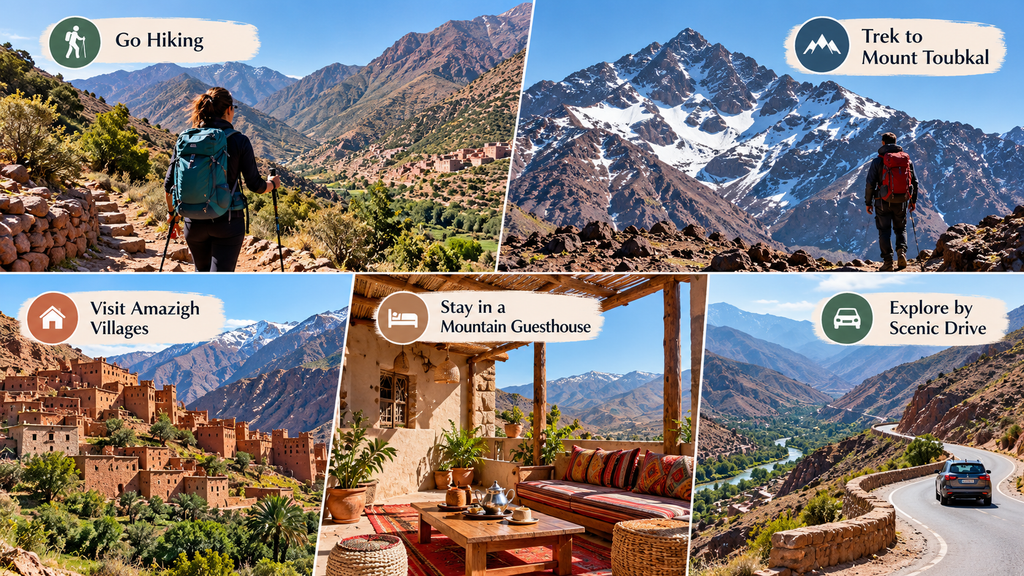
1. Go hiking:
Choose a hiking route that matches your pace; it’s a great way to appreciate the landscape at a slower pace. Routes range from short valley walks to demanding mountain treks.
You don’t need to be an experienced mountaineer to visit the Atlas Mountains, but choose a route that matches your fitness, experience, and current weather conditions.
A half-day walk around a mountain village is very different from attempting a 4,000-meter summit.
2. Trek to Mount Toubkal
For experienced hikers, Toubkal is the headline adventure. The summit reaches 4,167 meters, and the climb involves substantial elevation gain.
Winter adds another layer of difficulty because snow and ice can affect higher trails. Check current conditions and the need for specialist equipment before departure.
3. Visit Amazigh Villages
Mountain communities are an important part of the Atlas experience. Visiting villages gives travelers a chance to see traditional architecture, agricultural landscapes, and everyday life in the valleys.
Responsible tourism matters here. Ask before photographing people or entering private spaces, support locally owned accommodation and businesses, and avoid treating villages simply as photo stops.
4. Stay in a Mountain Guesthouse
An overnight stay lets you experience the mountains after the day visitors have left. Depending on the location, accommodation can range from simple village guesthouses to more upscale mountain lodges.
Staying locally also makes it easier to begin an early hike without spending the morning traveling from Marrakech.
5. Explore by Scenic Drive
Not every Atlas adventure needs to involve strenuous hiking. A scenic drive through mountain valleys and passes can reveal dramatic landscape changes, especially when paired with short walks and village visits.
This is a practical option for families, older travelers, or anyone with limited hiking experience.
Best Time to Visit the Atlas Mountains
The best time for many travelers to high Atlas month is best for autumn, when conditions are generally milder. Current travel guidance also identifies April to June and September to November as particularly favorable periods for High Atlas hiking.
However, no single month is best for every activity.
| Season | What to Expect |
| Spring | Mild conditions, greener valleys and good hiking opportunities |
| Summer | Warm to hot at lower elevations; higher mountains can remain more comfortable |
| Autumn | Generally mild and suitable for hiking |
| Winter | Snow at higher elevations and more demanding treks |
At high elevations, high-altitude trails require equipment, and the summit of Toubkal will have similar conditions.
Winter trekking requires particular care. Snow and ice can make routes considerably more demanding, and specialist equipment may be necessary on high-altitude trails.
How to Get to the Atlas Mountains
For most international visitors, Marrakech is the practical starting point for the western High Atlas.
From Marrakech, travelers can arrange private transfers, taxis, organized excursions, or transport to mountain areas such as Imlil and the Ourika Valley.
The journey time depends entirely on the destination. A valley can work as a day excursion, while a remote trekking region may require considerably more time.
If you plan to climb Toubkal, arrange transport and your trekking logistics in advance rather than assuming ordinary city transport will take you directly to the trailhead.
How Many Days Do You Need?
Your ideal length depends on what you want to do.
One Day
A day trip works for:
- Ourika Valley
- Short mountain walks
- Scenic drives
- Village visits
- Selected waterfalls and viewpoints
Two to Three Days
This allows more time for:
- Imlil
- Longer valley walks
- A mountain guesthouse stay
- Guided trekking
- Beginning a Toubkal itinerary
Four Days or More
A longer stay is worthwhile if you want to explore multiple valleys, complete a multi-day trek, or combine mountain experiences with nearby destinations.
Travelers should avoid packing too much into a short schedule. Mountains, noting routes can take longer than expected, and the scenery is best experienced without rushing between stops.
What to Pack for the Atlas Mountains
Your packing list should reflect your altitude and activity, not just Morocco’s overall climate.
For a typical mountain excursion, consider:
- Comfortable walking shoes or hiking boots
- Lightweight layers
- Warm fleece or jacket
- Sun protection
- Hat and sunglasses
- Sunscreen
- Reusable water bottle
- Small daypack
- Basic first-aid supplies
- Rain protection
- Power bank
- Personal medication
- Offline maps or a reliable navigation option
For higher-altitude or winter trekking, requirements become more demanding. Cold-weather clothing and appropriate technical equipment may be necessary.
A useful rule is to plan for the terrain you’re visiting, not the weather you experienced in Marrakech that morning.
Is Hiking in the Atlas Mountains Safe?
Hiking can be an excellent way to experience the region, but treat the mountains as a genuine outdoor environment rather than a casual city excursion.
The UK government’s current Morocco travel advice specifically recommends researching trails, understanding the experience required, carrying essentials such as water and appropriate clothing, hiring a professional guide, and having comprehensive travel insurance that covers planned activities.
Keep these points in mind:
- Choose a route appropriate for your fitness and experience.
- Check the weather before setting out.
- Carry sufficient water.
- Tell someone your route and expected return time.
- Consider a professional local guide for mountain trekking.
- Do not underestimate altitude or steep terrain.
- Use suitable footwear.
- Carry warm layers even during warmer months if heading to high elevations.
- Check local conditions before winter hikes.
- Make sure your travel insurance covers trekking and any planned adventure activities.
Mountain weather can also create hazards beyond hiking difficulty. Heavy rain can cause flash flooding in some mountainous areas, while earthquakes remain a natural hazard in Morocco.
Tips for Visiting the Atlas Mountains
A little planning can make the experience considerably easier.
- Start early: Lower valleys can become hot during the day, particularly in warmer months.
- Book guides in advance: If you are planning a major trek, arrange a qualified local guide rather than trying to find one at the last minute.
- Carry cash: Rural mountain communities may have fewer card-payment options than major Moroccan cities.
- Respect local customs: Dress modestly in villages, ask before photographing people, and follow local guidance.
- Allow extra time: Mountain roads and trails don’t run on city schedules.
- Stay overnight if possible: A night in the mountains gives you more time for walking and allows you to experience the region outside peak daytime hours.
- Check seasonal conditions: A trail that is straightforward in autumn can be snow-covered or more challenging in winter.
Atlas Mountains vs. Marrakech: Can You Visit Both?
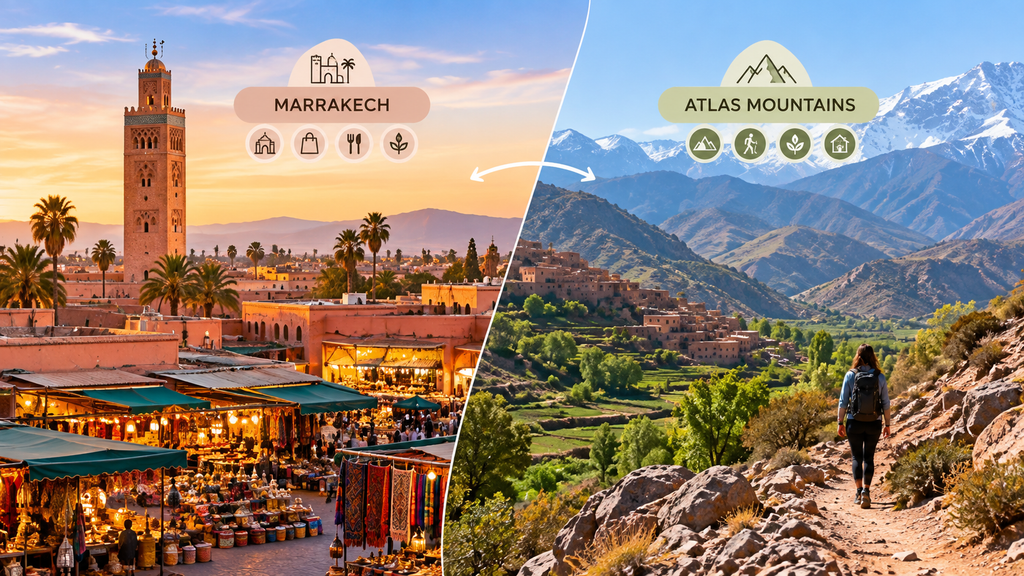
Yes. In fact, combining Marrakech with the Atlas Mountains is one of the easiest ways to experience Morocco’s contrasting sides.
Marrakech offers historic architecture, souks, gardens, restaurants, and urban energy, while the nearby mountain region offers open landscapes, rural communities, and outdoor activities.
A traveler could spend several nights in Marrakech and then add two or three nights in the High Atlas. This gives enough time to enjoy the city without turning the mountain portion into a rushed excursion.
Conclusion
Visiting the Atlas Mountains gives travelers a chance to experience a quieter and more rugged side of Morocco, from the accessible valleys around Marrakech to the high slopes of Jbel Toubkal. You can keep the trip simple with a day hike or scenic drive, or spend several days trekking between mountain villages.
For the most comfortable hiking conditions, spring and autumn are ideal, while winter requires extra preparation at higher elevations. Before setting out, check current weather and trail conditions, choose a route that matches your experience, and arrange a qualified guide for demanding treks.
Frequently Asked Questions
Yes, particularly if you want to combine Moroccan culture with mountain scenery, hiking, rural landscapes and Amazigh communities.
Jbel Toubkal, in Morocco’s High Atlas, reaches 4,167 meters and is the highest peak in North Africa.
Yes, beginners can choose shorter, lower-elevation walks, but demanding routes and high-altitude treks require much more preparation and proper guidance.
Some High Atlas areas are about a 90-minute drive away, though the exact journey varies widely depending on the destination and road conditions.
You don’t need a guide for every type of mountain visit. Still, a professional local guide is strongly recommended for serious trekking, especially on demanding routes or in difficult conditions. Current UK travel advice recommends hiring a professional guide for Atlas Mountains hiking.
Yes, but high-altitude routes can experience snow and ice, making winter trekking substantially more challenging. Appropriate equipment, experience, and current trail information are important.