
Hokkaido, Japan: Top Places to Visit & Travel Tips
Visit Hokkaido for some of Japan’s best skiing, dramatic national parks, flower-filled countryside, volcanic hot springs, fresh seafood, wildlife, and cities such as Sapporo and Hakodate. Japan’s northernmost prefecture feels markedly different from Tokyo, Kyoto, and Osaka, with wide-open landscapes, colder winters, relatively mild summers, and enormous distances between some of its major attractions.
Hokkaido accounts for more than 20% of Japan’s total land area, so travelers should resist trying to cover the entire island in one short trip. Central Hokkaido works well for Sapporo, Otaru, Niseko, Lake Toya, and Noboribetsu; northern Hokkaido includes Asahikawa, Furano, Biei, Rishiri, and Rebun; eastern Hokkaido leads toward Shiretoko, Abashiri, Kushiro, and Lake Akan; and southern Hokkaido centers around Hakodate.
The best itinerary also changes considerably by season. Winter means deep snow, skiing, drift ice, and winter festivals, while summer brings lavender fields, hiking, cycling, and comfortable temperatures for outdoor sightseeing.
Hokkaido at a Glance
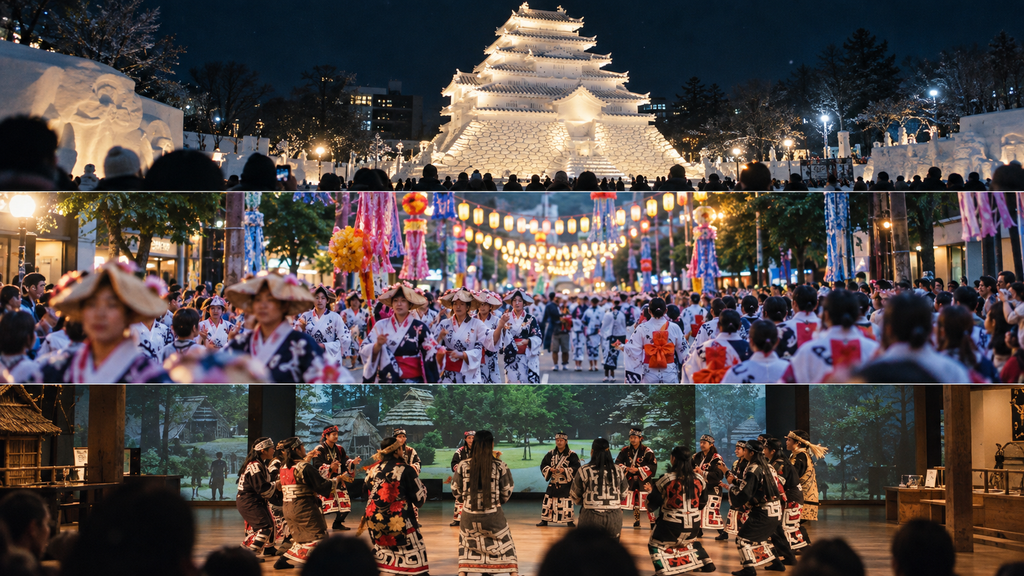
JNTO describes Hokkaido as particularly known for its wilderness, powder snow, seafood, hot springs, volcanic lakes, national parks, and Indigenous Ainu culture.
| Hokkaido Highlight | Best For | Particularly Popular Season |
| Sapporo | Food, city sightseeing, snow | Year-round/winter |
| Otaru | Canal, historic streets, food | Year-round |
| Niseko | Skiing and snowboarding | Winter |
| Furano | Lavender, flowers, skiing | Summer/winter |
| Biei | Countryside, Blue Pond | Summer/autumn |
| Daisetsuzan | Hiking and mountains | Summer/autumn |
| Hakodate | History, seafood, night views | Year-round |
| Noboribetsu | Hot springs | Year-round |
| Lake Toya | Lake and volcanic scenery | Spring-autumn |
| Shiretoko | Wildlife and wilderness | Summer/winter |
| Abashiri | Drift ice | Winter |
| Kushiro | Wetlands and red-crowned cranes | Year-round |
| Lake Akan | Ainu culture, nature, onsen | Year-round |
| Rishiri and Rebun | Hiking and island scenery | Summer |
Why Visit Hokkaido?
Hokkaido provides a different experience from Japan’s densely populated urban corridor.
Instead of building a trip primarily around temples, shopping districts, and high-speed rail between major cities, visitors can spend their time:
- Skiing through powder snow
- Hiking volcanic mountains
- Walking through flower fields
- Seeing wildlife
- Bathing in hot springs
- Driving through rural landscapes
- Visiting caldera lakes
- Eating fresh seafood
- Learning about Ainu culture
- Experiencing drift ice
- Exploring compact regional cities
The landscape changes substantially between seasons, making Hokkaido a destination that can justify more than one visit.
1. Start in Sapporo
Sapporo is Hokkaido’s largest city and the most practical starting point for many first-time trips.
The city provides a comfortable introduction to the island before travelers head toward its mountains, lakes, ski resorts, or remote national parks.
Popular places include:
- Odori Park
- Sapporo TV Tower
- Mount Moiwa
- Sapporo Beer Museum
- Hokkaido University area
- Nijo Market
- Susukino
- Historical Village of Hokkaido
Sapporo TV Tower stands 144 m (472 ft) tall at the eastern end of Odori Park.
The city is also a useful base for food.
What Should You Eat in Sapporo?
Look for:
- Sapporo miso ramen
- Soup curry
- Seafood
- Sushi
- Jingisukan grilled lamb
- Dairy products
- Hokkaido desserts
Hokkaido’s cold waters, agricultural land, and dairy industry all contribute to its culinary identity.
Rather than viewing Sapporo merely as an airport gateway, allow at least 2 nights if you enjoy food and city sightseeing.
2. Experience Hokkaido in Winter
Winter is one of the most distinctive times to visit Hokkaido, particularly for skiing, snowboarding, snow festivals, hot springs, drift ice, and snow-covered landscapes.
JNTO specifically identifies Hokkaido as one of Japan’s major skiing and snowboarding regions, highlighting resorts such as Niseko, Rusutsu, and Furano.
Winter conditions can be serious, however.
Visitors should prepare for:
- Sub-zero temperatures
- Heavy snow
- Icy pavements
- Transport disruption during severe weather
- Shorter daylight
- Snow-covered roads
Good winter footwear can be just as important as a warm coat.
3. Visit Otaru
Otaru is an easy addition to a Sapporo itinerary and is best known for its canal, historic buildings, seafood, glassware, and nostalgic streetscape.
The city lies northwest of Sapporo and can be reached conveniently by train.
Otaru’s highlights include:
- Otaru Canal
- Historic warehouses
- Sakaimachi shopping street
- Glass shops
- Music-box stores
- Seafood
- Local sweets
- Mount Tengu area
The canal is especially atmospheric around dusk when historic buildings and lamps line the water.
Otaru also works well for travelers who want an excursion from Sapporo without changing hotels.
4. Ski in Niseko
Niseko is Hokkaido’s internationally known ski destination, particularly famous for its powder snow and views toward Mount Yotei.
The wider Niseko area offers skiing and snowboarding for different experience levels, although individual terrain and lift access vary by resort.
Winter travelers can also find:
- Ski schools
- Snowboarding
- Snowshoeing
- Onsen
- Restaurants
- Winter excursions
The region is much more than a winter destination, however.
Warmer months bring hiking, cycling, rafting, golf, and views of Mount Yotei.
Travelers visiting during peak ski season should arrange accommodation well in advance.
5. See the Flower Fields of Furano
Furano is one of Hokkaido’s most recognizable summer destinations, known for lavender and other seasonal flower fields spread across the surrounding countryside.
Lavender is particularly associated with the area, although blooming periods depend on weather and variety.
The region also produces:
- Melons
- Cheese
- Milk
- Wine
- Vegetables
- Jam
The Hokkaido Tourism Organization highlights Furano alongside Biei as one of northern Hokkaido’s major scenic areas.
Furano changes completely in winter, when it becomes a ski destination.
That makes it one of the places in Hokkaido where the experience depends strongly on the month you visit.
6. Drive or Cycle Through Biei
Biei is known for rolling farmland, patchwork fields, flower gardens, country roads, and the striking Shirogane Blue Pond.
Located near the Tokachidake mountain range, the town provides some of Hokkaido’s classic rural scenery. JNTO highlights Blue Pond, the 7-hectare Shikisai Hill flower garden, and Shirahige Waterfall among its main attractions.
Popular stops include:
- Shirogane Blue Pond
- Shirahige Waterfall
- Shikisai Hill
- Patchwork Road
- Panorama Road
- Rural viewpoints
Blue Pond can change appearance according to the weather, season, light, and viewing conditions.
Furano and Biei are frequently combined, but avoid trying to rush through both simply for photographs. The countryside is part of the attraction.
7. Hike in Daisetsuzan National Park
Travelers wanting to experience Hokkaido’s mountainous interior should consider Daisetsuzan National Park.
The region includes Mount Asahidake, Hokkaido’s highest mountain, along with alpine terrain, hiking routes, hot springs, and dramatic seasonal scenery.
Hokkaido’s tourism organization notes that Mount Asahidake is known for some of Japan’s earliest autumn colors.
This means autumn can arrive noticeably earlier in the high mountains than in cities farther south in Japan.
Conditions at elevation can change quickly.
Bring:
- Proper walking shoes
- Layers
- Rain protection
- Water
- Appropriate hiking equipment for the chosen trail
Check current trail and ropeway conditions before setting out.
8. Relax in Noboribetsu Onsen
Noboribetsu is one of Hokkaido’s best-known hot-spring destinations and makes a natural addition to an itinerary between Sapporo and southern Hokkaido.
Its most recognizable landscape is Jigokudani, or Hell Valley, where volcanic activity creates steaming vents, mineral-rich water, and an otherworldly landscape.
The wider area offers:
- Ryokan stays
- Onsen bathing
- Volcanic scenery
- Walking paths
- Seasonal forest views
An overnight stay provides a more complete experience than simply stopping for a few hours.
A traditional ryokan can combine hot-spring bathing with dinner and breakfast, turning the accommodation itself into part of the trip.
9. Visit Lake Toya
Lake Toya combines caldera-lake scenery, volcanic landscapes, hot springs, and views toward Mount Usu.
The area belongs to Hokkaido’s central tourism region alongside Noboribetsu.
Visitors can consider:
- Lakeside walks
- Boat trips
- Onsen
- Mount Usu
- Scenic viewpoints
The Mount Usu Ropeway provides access to elevated observation areas overlooking volcanic craters and Lake Toya.
Lake Toya can work particularly well as a quieter scenic stop between larger cities and resorts.
10. Discover Hakodate
Hakodate combines port-city history, seafood, Western-influenced architecture, markets, and one of Hokkaido’s most celebrated night views.
Located in southern Hokkaido, Hakodate feels quite different from Sapporo.
Major sights include:
- Mount Hakodate
- Hakodate Morning Market
- Goryokaku
- Motomachi
- Hachimanzaka
- Historic port area
Mount Hakodate rises approximately 334 m and is renowned for views over the narrow cityscape below.
Don’t Miss Hakodate Morning Market
The market is particularly suitable for travelers interested in Hokkaido’s seafood.
Depending on season and availability, visitors may encounter:
- Crab
- Squid
- Salmon roe
- Sea urchin
- Scallops
- Sashimi
- Seafood rice bowls
Going earlier generally suits the market atmosphere better than arriving late in the day.
11. See Goryokaku
Goryokaku is Hakodate’s distinctive star-shaped historic fort and one of the city’s most recognizable landmarks.
The layout is especially clear from Goryokaku Tower, whose observation deck provides panoramic views over the fort and city.
The Hokkaido Tourism Organization states that the tower provides a 360-degree panorama from 107 m above ground.
The surrounding park changes by season and is especially well known during spring.
Pairing Goryokaku with Hakodate’s waterfront and Mount Hakodate creates a varied city itinerary covering history, food, and views.
12. Venture Into Shiretoko
Shiretoko is one of Hokkaido’s strongest destinations for wilderness and wildlife and is recognized as a UNESCO World Natural Heritage Site.
Located in eastern Hokkaido, the peninsula is much more remote than Sapporo or Hakodate.
The region is associated with:
- Brown bears
- Deer
- Foxes
- Marine wildlife
- Forest
- Mountains
- Waterfalls
- Drift ice
- Shiretoko Five Lakes
JNTO specifically highlights Shiretoko as a place where travelers may encounter free-roaming brown bears, foxes, and deer.
Wildlife Requires Caution
Wildlife sightings should be treated as encounters with wild animals, not photo opportunities at close range.
Follow local guidance, stay on permitted routes, never feed wildlife, and use experienced guides where appropriate.
Some Shiretoko activities and routes operate seasonally, so check access conditions before traveling.
13. See Drift Ice Around Abashiri
One of Hokkaido’s most unusual winter experiences is seeing drift ice along the Sea of Okhotsk coast.
Abashiri is one of the primary bases for viewing it.
The Hokkaido Tourism Organization notes that drift ice generally begins reaching the Abashiri coast from late January, although timing and ice conditions vary each year.
Sightseeing icebreaker cruises allow visitors to experience the frozen seascape from the water when conditions permit.
Drift ice is a natural phenomenon.
Do not plan a trip around the assumption that a particular date will guarantee ideal ice coverage.
14. Visit Kushiro Wetlands
Eastern Hokkaido’s Kushiro area is known for wetlands, birdlife, and the iconic red-crowned crane.
Kushiroshitsugen National Park protects an extensive wetland ecosystem.
The wider region offers:
- Wetland viewpoints
- Walking trails
- Birdwatching
- Canoeing opportunities
- Wildlife experiences
The Kushiro City Tancho Crane Nature Park is one location where visitors can learn about and observe red-crowned cranes.
Wildlife enthusiasts may want to give eastern Hokkaido several days rather than treating Kushiro as a quick stop.
15. Experience Lake Akan and Ainu Culture
Lake Akan combines a volcanic lake, hot springs, natural scenery, rare marimo algae, and opportunities to learn about Ainu culture.
The lake was formed within a volcanic landscape and is particularly associated with spherical marimo algae.
JNTO also highlights the Lake Akan area as a destination for experiencing the traditions and culture of Hokkaido’s Indigenous Ainu people.
Travelers should approach Ainu culture as a living culture rather than simply another sightseeing theme.
Look for opportunities that present:
- Traditional crafts
- Performance
- Language
- Food
- History
- Contemporary Ainu perspectives
Lake Akan also has hot-spring accommodation, making it practical to spend a night rather than visiting only during the day.
16. Explore Rishiri and Rebun Islands
For travelers with more time, Rishiri and Rebun provide a very different northern Hokkaido experience.
Located off Hokkaido’s far northwestern coast, the islands are associated with:
- Hiking
- Coastal scenery
- Alpine flowers
- Seafood
- Remote landscapes
Rishiri is dominated visually by Mount Rishiri, while Rebun is particularly known for wildflowers and walking routes.
The official Hokkaido tourism guide groups Rishiri and Rebun with Wakkanai and the northernmost region of the island.
These islands require additional transport planning, so they fit better into longer Hokkaido itineraries.
What Food Should You Try in Hokkaido?
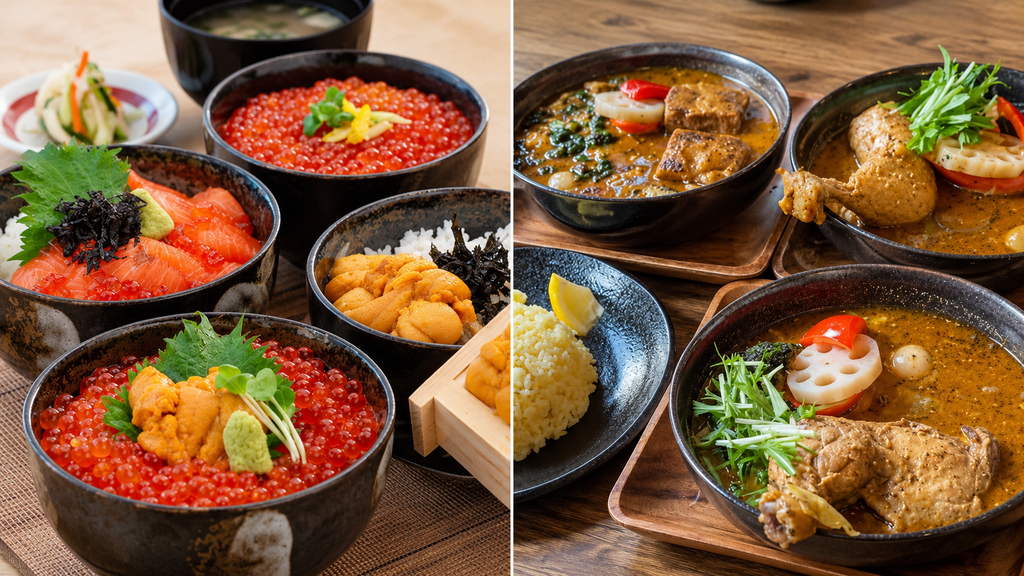
Food is one of the strongest reasons to visit Hokkaido.
The prefecture is particularly associated with fresh seafood, dairy products, vegetables, and regional specialties. Hokkaido’s official tourism organization emphasizes both seafood and agricultural produce as major parts of the visitor experience.
Foods worth looking for include:
- Crab
- Sea urchin
- Scallops
- Salmon roe
- Squid
- Sushi and sashimi
- Miso ramen
- Soup curry
- Jingisukan
- Dairy products
- Soft-serve ice cream
- Cheese
- Hokkaido melon
- Corn
- Potatoes
Different parts of Hokkaido have their own specialties.
For example, seafood naturally features heavily in coastal destinations, while Furano is associated with agricultural products and Sapporo is particularly well known for miso ramen and soup curry.
When Is the Best Time to Visit Hokkaido?
There is no single best month to visit Hokkaido because each season produces a substantially different trip.
| Season | What to Expect | Best For |
| Winter | Deep snow and freezing temperatures | Skiing, snow, drift ice, onsen |
| Spring | Snowmelt and later blossoms | Cities, flowers, quieter travel |
| Summer | Mild weather and green landscapes | Lavender, hiking, road trips |
| Autumn | Early foliage in mountains | Hiking, fall colors, food |
Visit Hokkaido in Winter If…
Choose winter if your priorities are:
- Skiing
- Snowboarding
- Snow festivals
- Drift ice
- Winter photography
- Snow-covered onsen
Visit Hokkaido in Summer If…
Summer is better suited to:
- Lavender
- Flower fields
- Hiking
- Cycling
- Road trips
- National parks
- Island visits
JNTO notes that Hokkaido’s relatively mild summers provide relief from the intense humidity experienced in many other parts of Japan and create favorable conditions for hiking and national-park trips.
Visit Hokkaido in Autumn If…
Autumn is particularly rewarding for:
- Mountain foliage
- Hiking
- Cooler weather
- Seasonal food
- Photography
Higher elevations can change color considerably earlier than much of mainland Japan.
How Many Days Do You Need in Hokkaido?
Allow at least 5 to 7 days for a focused first trip, while 10 to 14 days gives travelers enough time to combine several regions without rushing.
| Trip Length | Suggested Focus |
| 3-4 days | Sapporo + Otaru |
| 5-7 days | Sapporo + Otaru + Furano/Biei or Niseko |
| 7-10 days | Central/northern Hokkaido or Sapporo + Hakodate |
| 10-14 days | Multiple regions |
| 2+ weeks | Add eastern or far northern Hokkaido |
Trying to combine Hakodate, Sapporo, Furano, Shiretoko, Kushiro, and the far northern islands in a short trip creates too much transit time.
Sample 7-Day Hokkaido Itinerary
Day 1: Arrive and Discover Sapporo
Settle into Sapporo and spend the day around Odori Park, central neighborhoods, markets, and local restaurants.
Day 2: Otaru
Take a day trip to Otaru.
Walk along the canal, visit historic shopping streets, try seafood, and return to Sapporo.
Day 3: Travel to Furano
Head toward Furano and spend time around the countryside.
In summer, focus on flower fields and farms. In winter, skiing becomes the main attraction.
Day 4: Biei
Visit Blue Pond, Shirahige Waterfall, and Biei’s rural viewpoints.
Stay locally or return toward Furano depending on transport.
Day 5: Daisetsuzan or Asahikawa
Choose between mountain scenery and hiking around Daisetsuzan or a more relaxed visit to Asahikawa.
Day 6: Return Toward Sapporo
Use the return journey for additional sightseeing or an onsen stay.
Day 7: Sapporo and Departure
Leave time for food, shopping, or a final city attraction before departure.
A winter itinerary could replace Furano and Biei sightseeing with Niseko or another ski resort.
How Do You Get to Hokkaido?
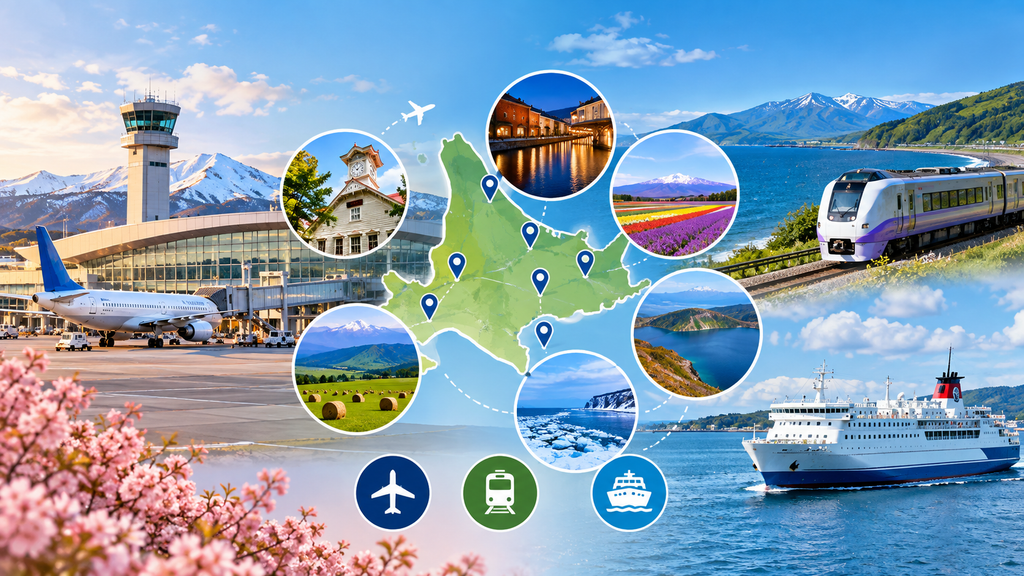
New Chitose Airport is the principal air gateway for travelers heading toward Sapporo and central Hokkaido.
Hokkaido also has several regional airports that can save substantial travel time when visiting more distant areas.
Depending on the itinerary, travelers may use airports serving destinations such as:
- Hakodate
- Asahikawa
- Kushiro
- Obihiro
- Memanbetsu
- Wakkanai
Domestic flights can be useful because Hokkaido is much larger than many first-time visitors expect.
Rail travel also connects Hokkaido with Honshu, while ferries provide additional options on selected routes.
How Do You Get Around Hokkaido?
Travelers generally combine:
- Trains
- Buses
- Rental cars
- Domestic flights
- Ferries
- Organized tours
The right choice depends on the region.
Train
Rail works well for major destinations such as Sapporo, Otaru, Asahikawa, and Hakodate.
Rental Car
A car can provide much more flexibility in:
- Furano
- Biei
- Rural eastern Hokkaido
- Lake regions
- Remote countryside
However, winter driving is a different matter.
Snow, ice, poor visibility, and rapidly changing conditions can make driving challenging for travelers without experience in severe winter conditions.
Domestic Flights
Flights can make sense when combining distant regions.
For example, reaching eastern or northern Hokkaido from central areas by land can consume a significant portion of a travel day.
Do You Need a Rental Car in Hokkaido?
No, a rental car is not essential for every Hokkaido itinerary, but it becomes increasingly useful when traveling through rural areas.
Sapporo and Otaru are easy to visit without a car.
A car becomes more valuable for countryside-focused trips through places such as Biei and remote eastern Hokkaido.
Before renting, consider:
- Season
- Driving experience
- Road conditions
- Distance
- Parking
- Weather
- Availability of trains and buses
In winter, public transport may be the better option for visitors unfamiliar with driving on snow and ice.
What Should You Pack for Hokkaido?
Packing depends heavily on the season.
Winter
Bring:
- Insulated coat
- Thermal base layers
- Gloves
- Warm hat
- Waterproof footwear
- Shoes with good traction
- Thick socks
Summer
Pack:
- Lightweight clothing
- Comfortable walking shoes
- Light jacket
- Rain protection
- Sun protection
- Insect repellent for outdoor areas
Hiking Trips
Add:
- Hiking shoes
- Layers
- Water
- Rain jacket
- Appropriate trail equipment
Mountain temperatures can differ substantially from conditions in Sapporo or other lowland cities.
Practical Tips for Visiting Hokkaido
Keep these points in mind:
- Do not underestimate travel distances.
- Build the itinerary around one or two regions.
- Reserve popular winter accommodation early.
- Check ski-resort opening dates and snow conditions.
- Verify hiking-trail access before departure.
- Expect weather-related transport changes in winter.
- Book rental cars early during peak travel periods.
- Carry appropriate clothing for mountain areas.
- Respect wildlife and never feed wild animals.
- Check seasonal ferry schedules for islands.
- Leave some flexibility for weather.
- Try regional food rather than eating the same dishes throughout the trip.
The official Hokkaido tourism organization specifically provides first-time visitors with guidance on distances, clothing, rental cars, temperatures, wildlife, and seasonal conditions, reflecting how important these factors are when traveling around the prefecture.
Final Thoughts
Hokkaido is best experienced by choosing the season first and the region second. A winter trip centered on Sapporo and Niseko has little in common with a summer journey through Furano, Biei, and Daisetsuzan or a wildlife-focused adventure around Shiretoko and Kushiro.
First-time visitors with about a week can comfortably combine Sapporo with Otaru and one additional region. With 10 to 14 days, it becomes much easier to add Hakodate, Furano and Biei, an onsen stay, or eastern Hokkaido without spending most of the trip in transit.
Most importantly, account for Hokkaido’s scale. Its open landscapes are a major part of its appeal, but they also mean that distances between attractions can be substantial. A focused itinerary leaves more time for the experiences that make the island distinctive: mountain scenery, regional food, wildlife, hot springs, snow, and the changing seasons.
Frequently Asked Questions
Yes. Hokkaido offers experiences that differ significantly from much of mainland Japan, including powder-snow skiing, large national parks, volcanic lakes, hot springs, wildlife, flower fields, seafood, and Ainu cultural experiences.
Hokkaido is particularly famous for powder snow, skiing, seafood, dairy products, ramen, lavender fields, national parks, hot springs, volcanic landscapes, wildlife, and the Sapporo Snow Festival.
Neither season is universally better. Winter suits skiing, snow scenery, drift ice, and onsen trips, while summer is particularly good for lavender, hiking, national parks, cycling, and road trips.
Five to 7 days is reasonable for one focused region. Around 10 to 14 days is more appropriate if you want to combine Sapporo with northern, southern, or eastern Hokkaido.
Sapporo is the easiest starting point because it combines food and city attractions with relatively convenient access to Otaru, Jozankei, and other central Hokkaido destinations. The official tourism organization also describes central Hokkaido as suitable for first-time drivers because of its access from New Chitose Airport.
Major destinations such as Sapporo, Otaru, Hakodate, and Asahikawa can be reached by public transportation. Rural destinations are more complicated, and a rental car or organized tour can provide greater flexibility.
Furano’s flower season falls during the warmer months, with lavender typically associated with summer. Exact blooming periods vary by year, weather, location, and variety, so check current flowering information before planning a trip specifically around lavender.
Hokkaido has wild brown bears, particularly in wilderness regions such as Shiretoko. Sightings are never guaranteed, and travelers should follow local wildlife-safety guidance rather than approaching animals.
Abashiri and other areas along the Sea of Okhotsk coast are known for drift ice. It generally begins reaching the Abashiri coast from late January, but timing varies with natural conditions.
Yes. Hokkaido is particularly well known for seafood, dairy products, agricultural produce, ramen, soup curry, crab, sea urchin, scallops, melon, and regional specialties.