
Visit Mombasa, Kenya: Beaches, Culture, Things to Do & Travel Guide
Mombasa is a tropical coastal city in southeastern Kenya where Indian Ocean beaches, Swahili heritage, historic architecture, marine life, and a busy modern city come together. Located on Kenya’s coast, Mombasa works well as a standalone beach destination or as the coastal part of a wider Kenya itinerary combining Nairobi, safari parks, and the Indian Ocean. The city is also a key gateway to nearby destinations such as Diani Beach and the wider Kenyan coast.
From the lanes of Old Town and the UNESCO-listed Fort Jesus to snorkeling in protected marine waters and relaxing on the northern beaches, Mombasa offers more than a conventional beach holiday. This guide explains when to visit, what to see, where to go, how to get there, and what to know before you travel.
Mombasa at a Glance
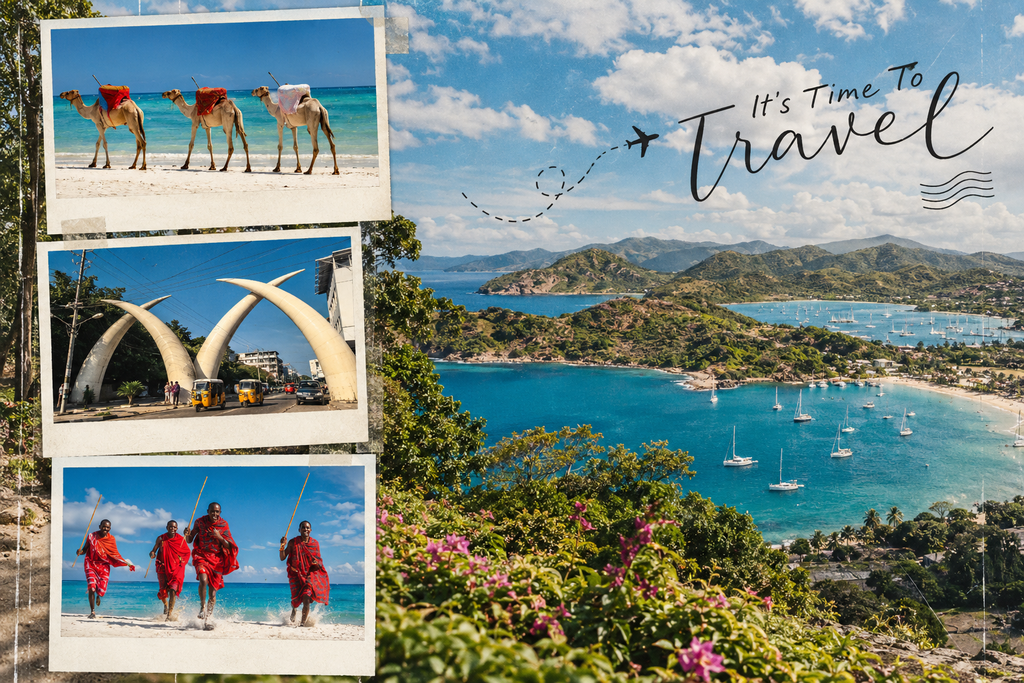
Mombasa combines beautiful Indian Ocean beaches with centuries of Swahili heritage, making it one of Kenya’s most distinctive coastal destinations. Here’s a quick overview of the essential travel details to know before planning your visit.
| Travel detail | Information |
| Country | Kenya |
| Region | Kenyan coast |
| Main airport | Moi International Airport (MBA) |
| Known for | Beaches, Swahili culture, Fort Jesus, Old Town, marine activities |
| Languages | English and Swahili are Kenya’s official languages |
| Currency | Kenyan shilling (KES) |
| Best for | Beach holidays, history, culture, marine activities and coastal escapes |
| Main historic attraction | Fort Jesus |
| Nearby coastal destination | Diani Beach |
| Rail connection | Madaraka Express between Nairobi and Mombasa |
Why Visit Mombasa?
Mombasa is one of those destinations where the setting is only part of the attraction. The city developed around Indian Ocean trade and has absorbed African, Arab, Persian, Portuguese, Asian and British influences over centuries. That history is still visible in its architecture, food, religious buildings, markets and streets.
The Old Town area provides one of the clearest introductions to this heritage, with narrow streets, historic buildings and elaborately carved doors. Fort Jesus, built by the Portuguese between 1593 and 1596, overlooks the coast and is now a UNESCO World Heritage Site. UNESCO describes the fort as an important example of Portuguese military architecture and a physical record of cultural exchanges around the Indian Ocean.
At the same time, Mombasa is unmistakably a beach destination. The northern coastline includes Nyali, Bamburi, Shanzu and Kikambala, while marine areas offshore provide opportunities for snorkeling, diving, sailing and boat trips.
Best Things to Do in Mombasa
Mombasa offers a mix of historic landmarks, Swahili culture, tropical beaches, marine adventures, and local experiences. These are some of the top things to add to your itinerary for a well-rounded visit.
1. Visit Fort Jesus
Fort Jesus should be high on the itinerary of anyone interested in Mombasa’s history.
Built by the Portuguese in the late 16th century, the fort was designed to protect the port and became central to the struggle for control of Indian Ocean trade routes. It changed hands several times and reflects influences from African, Arab, Turkish, Persian and European communities.
Today, visitors can walk around its imposing walls and courtyards while learning about the different periods of Mombasa’s history.
Travel tip: Pair Fort Jesus with a walk through nearby Old Town rather than treating the fort as an isolated stop.
2. Walk Through Mombasa Old Town
Old Town is where the city’s historical character becomes particularly visible.
Expect narrow streets, older Swahili-style buildings, carved wooden doors, small shops, and a mix of architectural influences. The area developed around Mombasa’s historic trading role, and its built environment reflects connections between East Africa and the wider Indian Ocean world.
A walking visit can be more rewarding than simply driving through because details such as balconies, doors, shopfronts and street markets are easy to miss from a vehicle.
Because current UK government travel advice identifies Old Town as an area with higher crime risks, visitors should stay alert, avoid displaying valuables, and follow local security advice.
3. Spend Time on Mombasa’s Beaches
The northern beaches are among Mombasa’s biggest draws.
Nyali Beach is relatively close to the city, while Bamburi, Shanzu and Kikambala extend farther north. These beaches are known for soft sand, palms, resorts, and access to marine activities. Coral reefs offshore also create opportunities for snorkeling and diving.
The experience varies by season. Audley notes that seaweed can be more noticeable on these beaches between June and September, while October through April is generally a more favorable period for beach conditions.
4. Explore Mombasa Marine National Park
For travelers who want to spend time in the water rather than only beside it, Mombasa Marine National Park & Reserve is an important coastal attraction.
The Kenya Wildlife Service says the protected area was established to conserve coral reef systems and associated marine biodiversity. Activities include snorkeling, diving, boat rides, sailing, windsurfing and other water-based experiences.
The park’s marine environment includes coral formations and species such as crabs, sea urchins, groupers, snappers and other reef-associated life.
5. Discover Swahili Food and Coastal Culture
Food is another reason to spend time in the city rather than treating Mombasa as a resort stop.
Coastal Kenyan cuisine reflects the region’s long trading history, with Swahili cooking incorporating spices, coconut, seafood and influences from across the Indian Ocean. Street-food experiences, local restaurants and markets provide different ways to experience the city’s food culture.
If you are exploring Old Town, allow time for the atmosphere around the markets and smaller food spots, rather than planning every stop around major attractions.
6. Take a Boat or Marine Excursion
Mombasa’s location on the Indian Ocean makes boat excursions a natural addition to a coastal itinerary.
Depending on weather, sea conditions, and the operator, activities can include sightseeing cruises, sailing, snorkeling,g and diving. Kenya Wildlife Service specifically lists boat rides, sailing, snorkeling and diving among activities associated with Mombasa Marine National Park.
For reef activities, use established operators and follow instructions concerning marine wildlife and coral conservation.
7. Visit Haller Park and Other Nearby Attractions
Haller Park is another attraction associated with the Bamburi area and the wider Mombasa coast. It can be useful for travelers who want a change from beaches and historic sites.
The Kenya Wildlife Service also lists Haller Park, Jumba la Mtwana and Shree Jain Temple among notable sites around the Mombasa Marine National Park area.
Rather than trying to visit every attraction in one day, the group stops geographically—for example, northern beaches and nearby attractions on one day, then Old Town and Fort Jesus on another.
Best Beaches Around Mombasa
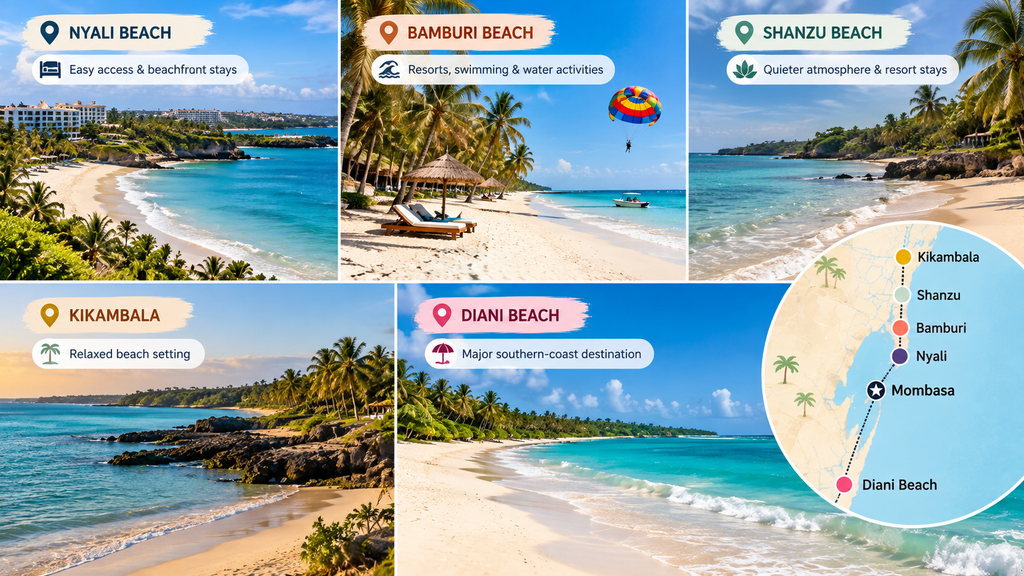
Not every traveler wants the same type of beach, so the choice partly depends on where you plan to stay.
| Beach/area | What it is known for |
| Nyali Beach | Convenient access from Mombasa and beachfront accommodation |
| Bamburi Beach | Resort area, swimming and water-based activities |
| Shanzu Beach | Quieter coastal atmosphere and resort stays |
| Kikambala | Farther north, with a more relaxed beach setting |
| Diani Beach | Major southern-coast beach destination outside Mombasa itself |
Diani is often included in a Mombasa itinerary, but it is important to distinguish the two: Diani Beach is south of Momba, not a beach within the city. Audley’s current destination guide places Diani about 22 miles from Mombasa.
Best Time to Visit Mombasa
Mombasa has a warm tropical coastal climate so that you can visit year-round. However, the ideal period depends on whether you prioritize beach weather, sightseeing, marine activities, or lower-season travel.
October to April
This period is particularly attractive for travelers prioritizing the northern beaches. Audley’s current Mombasa guide identifies October through April as the better period for these beaches, partly because seaweed can affect the shoreline from June to September.
June to September
These months can still work for a coastal trip, especially if your plans include history, restaurants,s and sightseeing rather than spending every day on the beach. However, some northern beaches can experience more seaweed during this period.
Rainy periods
Mombasa also experiences seasonal rainfall, so travelers planning outdoor activities should check the forecast close to departure. Weather patterns can affect boat trips, snorkeling, and beach conditions.
Simple rule: If your main goal is a classic Mombasa beach holiday, consider the drier periods and check current local weather before booking activities.
How to Get to Mombasa
Mombasa is well connected to other parts of Kenya and international destinations by air, rail, and road. Your best option depends on where you are traveling from, your budget, and how much time you have.
By Air
Moi International Airport (MBA) is Mombasa’s main airport. Kenya’s aviation authorities list the airport as Moi International Airport and provide its aeronautical information services in Mombasa.
For international travelers, flight options depend on the season and airlines schedules, so check the current timetable rather than relying on an old route list.
By Train From Nairobi
The Madaraka Express provides passenger rail service between Nairobi and Mombasa.
Kenya Railways currently lists Inter-County, afternoon Express, and Night Express services between the two cities. The published 2026 timetable shows departures from both Mombasa and Nairobi at scheduled times, although travelers should verify the latest timetable before booking.
The train can be particularly useful for travelers combining a Nairobi stay with a Mombasa beach trip.
By Road
The road connects Mombasa to Nairobi and other Kenyan destinations. Road travel can make sense if Mombasa is part of a longer itinerary, but journey time depends heavily on traffic, road conditions, and the starting point.
Where to Stay in Mombasa
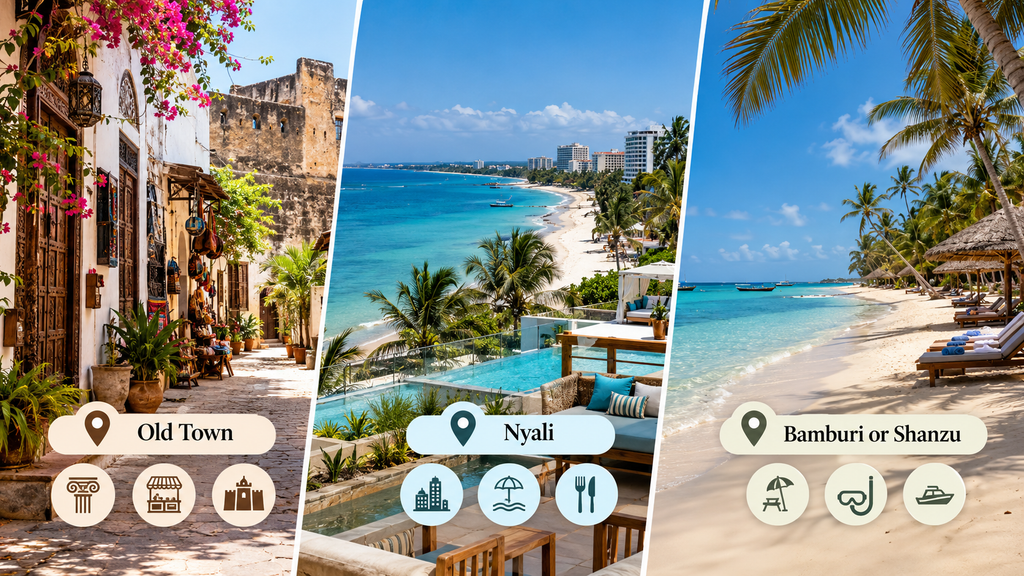
The best area depends on the type of trip you are planning.
Stay in Old Town or near the historic center.
Choose this area if your priority is heritage, architecture, markets, and easy access to Fort Jesus.
It suits travelers who want to experience the city’s historical character more than those looking for a conventional resort holiday.
Stay around Nyali
Nyali is a practical choice for travelers who want a balance between city proximity and beach access.
It can work well for a first visit when you want sightseeing during the day without staying entirely within the historic center.
Stay around Bamburi or Shanzu
These northern coastal areas suit travelers who prioritize beach time, resorts, and water activities. They also put you closer to several attractions around the Mombasa Marine National Park area.
Is Mombasa Safe for Tourists?
Tourists can visit Mombasa, but travelers should take standard precautions and follow current local security advice.
The UK Foreign, Commonwealth & Development Office currently warns of risks including terrorism and crime in Kenya. Its Mombasa-specific guidance identifies Old Town and the area around Likoni Ferry as places with higher crime risk. It also advises travelers to avoid isolated areas, protect valuables and remain aware of their surroundings.
A few practical precautions are sensible:
- Avoid displaying expensive jewelry, cameras or large amounts of cash.
- Be particularly careful around crowded transport areas.
- Avoid walking alone in isolated places.
- Follow security instructions at hotels, attractions and transport facilities.
- Check current government travel advice before departure.
- If visiting religious sites or neighborhoods away from tourist resorts, dress respectfully and conservatively. Kenya’s coastal areas have a strong Muslim cultural presence.
Safety advice can change, so travelers should check an up-to-date government advisory shortly before departure.
What to Know Before Visiting Kenya
Before traveling to Kenya, it helps to understand the entry requirements, local customs, currency, and practical travel considerations. A little preparation can make your Mombasa trip more comfortable and easier to manage.
Kenya’s eTA requirement
Kenya’s Directorate of Immigration Services states that all visitors, including infants and children, must have an approved Electronic Travel Authorization (eTA) before starting their journey to Kenya, subject to the applicable immigration rules and exemptions.
The immigration authority currently says applications are processed within three working days, but travelers should apply well before departure rather than relying on the minimum processing window.
You should also check your passport, onward-ticket, health and other entry requirements applicable to your nationality and circumstances. Kenya’s immigration authority specifically lists valid travel documents, eTA or applicable permits, and return/onward tickets among traveler obligations.
Respect local customs
Mombasa’s coastal culture is different from what many visitors may encounter elsewhere in Kenya. Beachwear is appropriate around resort beaches, but more conservative clothing is advisable when visiting religious or residential areas.
A little cultural awareness goes a long way: ask before photographing people, dress appropriately at religious sites and respect local customs.
Carry some Kenyan shillings
Cards are useful at many hotels, restaurants and established businesses, but carrying some local currency can be convenient for smaller purchases, markets and transport.
Keep cash distributed rather than carrying it all in one place.
How Many Days Do You Need in Mombasa?
Three to four days is a useful starting point for a first visit.
A sample itinerary could look like this:
| Day | Suggested plan |
| Day 1 | Arrive, settle in, and spend time at the beach |
| Day 2 | Fort Jesus, Old Town and Swahili food |
| Day 3 | Marine activities, snorkeling or a boat excursion |
| Day 4 | Northern beaches, Haller Park or a relaxed final beach day |
If you are combining Mombasa with a Kenyan safari, you can shorten the city stay and use it primarily as a coastal finish to the trip.
For a longer holiday, add Diani or another coastal destination rather than filling every day with city sightseeing.
Mombasa Travel Tips for First-Time Visitors
Planning your first trip to Mombasa is easier when you know what to expect from the weather, local customs, transport, and popular attractions. These practical tips can help you prepare better and make the most of your time on Kenya’s coast.
- Plan around the heat: sightseeing is more comfortable earlier or later in the day.
- Leave room for traffic: journeys within the wider urban area can take longer than the map suggests.
- Book marine activities with established operators: sea conditions can affect schedules.
- Protect yourself from the sun: sunscreen, water and lightweight clothing are useful year-round.
- Keep beach and city clothing separate: modest clothing is more appropriate away from resort areas.
- Don’t rush Old Town: the architecture and street life are part of the experience.
- Check attraction hours and prices before visiting: admission arrangements can change.
- Verify transport schedules: particularly for trains and flights.
- Check entry requirements before booking: confirm Kenya’s eTA and immigration rules using official sources.
Mombasa vs. Diani: Which Should You Choose?
These destinations are close enough to combine, but they offer different experiences.
| Mombasa | Diani |
| Historic city atmosphere | Primarily a beach destination |
| Fort Jesus and Old Town | Long beach and resort experiences |
| Markets and urban culture | More resort-focused |
| Strong cultural and historical focus | Strong relaxation and water-activity focus |
| Good for combining sightseeing and beach time | Good for a dedicated beach stay |
You do not necessarily have to choose between them. A Kenya coastal itinerary can include Mombasa for history and culture followed by Diani for several days of slower-paced beach time.
Final Thoughts
Approach Mombasa as a destination with several layers, not just a place to sit on the beach. Spend time around Fort Jesus and Old Town to understand its history, head north for beaches and marine activities, and leave space for coastal food and everyday city life.
Before traveling, check Kenya’s current eTA and entry requirements, confirm transport schedules, and review current safety advice. With those practical details handled, Mombasa can fit naturally into anything from a short coastal break to a longer Kenya itinerary.
Frequently Asked Questions About Visiting Mombasa
Yes, Mombasa offers a combination of Indian Ocean beaches, Swahili heritage, historic sites, marine activities, and coastal cuisine, making it suitable for more than just a resort stay.
Mombasa is particularly known for its beaches, Swahili culture, Old Town, Fort Jesus, Indian Ocean trade history,y and marine attractions.
There is no single best month for every trip. Still, October through April is generally a useful period to consider for beach-focused trips, while conditions vary by season and activity.
Three to four days can cover the major historic sights, a beach day and a marine activity without making the itinerary too rushed.
Yes. Beaches around Nyali, Bamburi, Shanzu and Kikambala provide access to the Indian Ocean, while nearby marine areas support snorkeling, diving, sailing and boat activities.
Kenya’s Directorate of Immigration Services states that visitors must obtain an approved eTA before beginning their journey, subject to applicable exemptions and entry rules. Check the official requirements for your nationality before travel.
Yes. Kenya Railways operates the Madaraka Express passenger service between Nairobi and Mombasa, with multiple scheduled services. Check the current timetable before booking.
Yes. Mombasa works well as the coastal portion of a larger Kenya itinerary, letting travelers combine safari destinations with beaches, marine activities, and Swahili culture.