
10 Facts That Tell Turkey’s Story Beyond Famous Landmarks
Turkey is home to a city spanning Europe and Asia, some of the world’s earliest monumental structures, landscapes shaped by volcanic rock and mineral springs, and cultural traditions still practiced today. These ten facts offer a way to understand what you are seeing as you travel. They also show why a trip focused only on Istanbul or the coast can leave so much of the country’s story untold.
1. Istanbul Stretches Across Two Continents
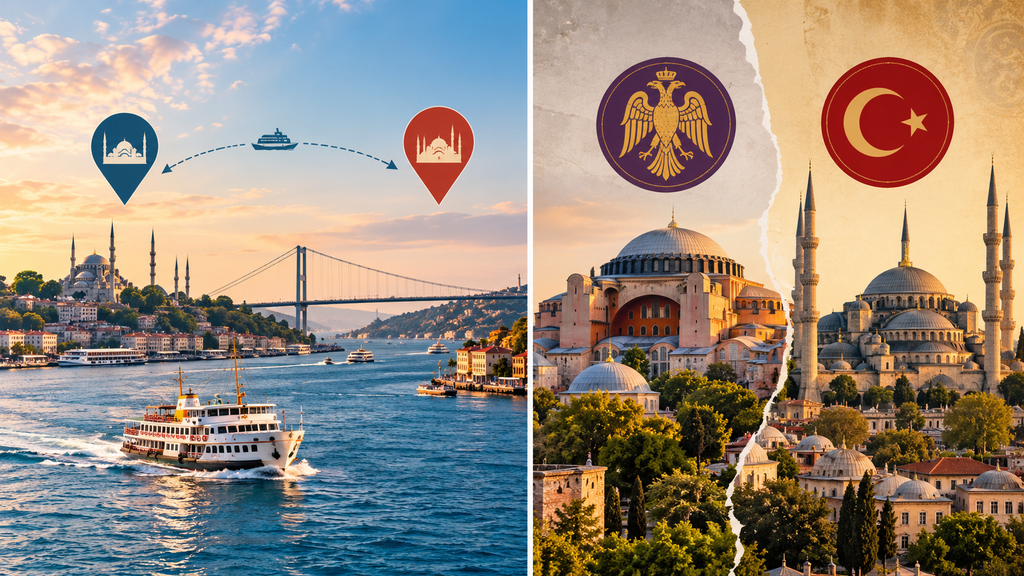
The Bosphorus separates Istanbul’s European and Asian sides. Ferries cross the strait throughout the day, making the city’s geography part of everyday life rather than just a fact on a map. For a visitor, a ferry journey offers views of waterfront neighborhoods and a sense of how closely the two sides are connected. UNESCO describes Istanbul’s historic areas as a meeting point of European and Asian influences.
2. Istanbul Was a Capital of Two Major Empires
Istanbul served as the capital of both the Eastern Roman, or Byzantine, Empire and the Ottoman Empire. That long history helps explain why buildings from different eras stand close together on the historic peninsula. The city’s skyline and streets reflect centuries of changing rulers, religious traditions, and architectural styles.
3. Göbekli Tepe Was Built by Prehistoric Hunter-Gatherers
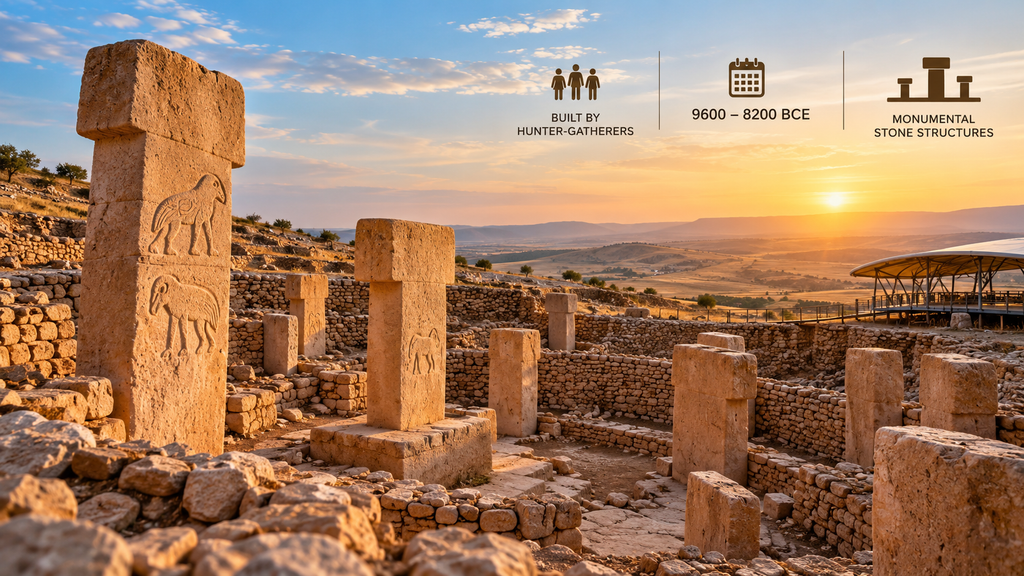
In southeastern Turkey, Göbekli Tepe contains monumental stone structures built during the Pre-Pottery Neolithic period, between about 9600 and 8200 BCE. Groups of hunter-gatherers erected its distinctive pillars long before many of the ancient cities travelers visit elsewhere in the country existed. The site offers a glimpse into how people gathered and built on a large scale in prehistoric times.
4. Cappadocia’s “Fairy Chimneys” Were Shaped by Erosion
Cappadocia’s pointed rock formations, often called fairy chimneys, are the result of erosion in a volcanic landscape. People later carved homes, churches, and underground spaces into the region’s rock. That combination of geology and human ingenuity makes Cappadocia more than a scenic ballooning destination: its valleys and rock sites tell a story of communities adapting to their surroundings.
5. Pamukkale’s White Terraces Formed From Mineral-Rich Water
Pamukkale’s bright white terraces look like snow from a distance, but they are deposits of travertine, formed by mineral-rich thermal water. Beside them lie the ruins of Hierapolis, an ancient city associated with the springs. UNESCO recognizes Hierapolis-Pamukkale for the close relationship between its natural formations and archaeological remains.
6. Ephesus Once Had One of the Seven Wonders
The Temple of Artemis at Ephesus was one of the Seven Wonders of the Ancient World. Little of the temple survives, but the wider Ephesus site preserves evidence of a major Roman port city. Visitors can see why the city drew people from across the Mediterranean, while remembering that its famous library and the largely vanished Temple of Artemis are different monuments.
7. The City of Troy Is a Real Archaeological Site
Troy is closely associated with Homer’s Iliad, but it is also an archaeological site in northwestern Turkey. Its remains document a long history beyond the war described in epic poetry. Visiting Troy gives travelers a chance to distinguish between the place archaeologists study and the stories that have kept its name familiar for centuries.
8. Giant Stone Heads Stand on Mount Nemrut
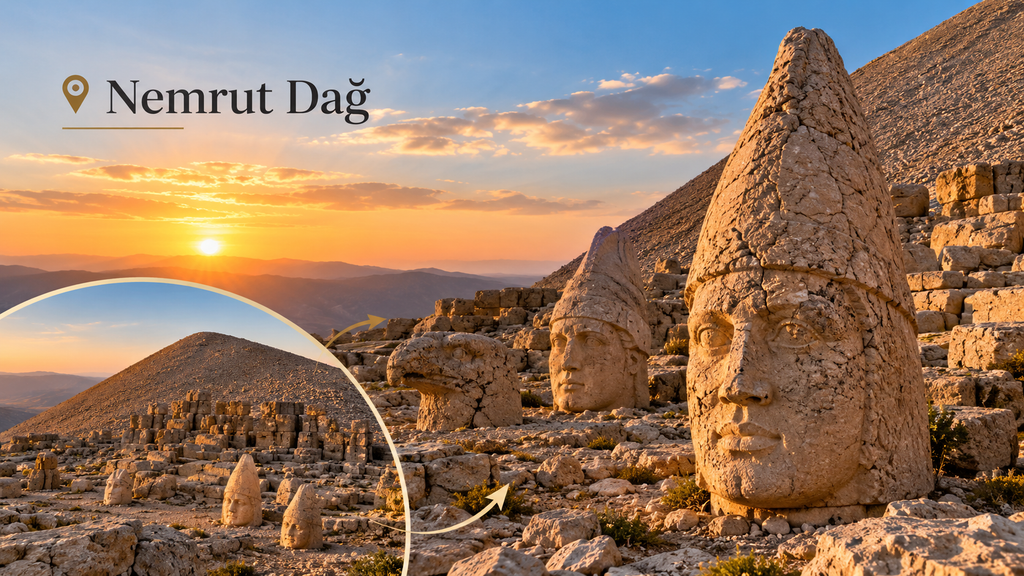
At Nemrut Dağ in southeastern Turkey, monumental statues and a burial mound form an ambitious work of the Hellenistic period. Some of the stone blocks used at the site weigh up to nine tons. The enormous sculpted heads are memorable in photographs, but their scale and mountain setting are what make seeing them in person particularly striking.
9. Turkish Coffee Is Recognized as Cultural Heritage
Turkish coffee is a method of preparation and a social tradition, not simply a drink served in a small cup. The coffee is finely ground and prepared in a pot, then served with its grounds left to settle. UNESCO lists Turkish coffee culture and tradition as intangible cultural heritage, recognizing the customs and shared experiences surrounding it.
10. Whirling Is Part of a Spiritual Ceremony
The turning movement associated with the Whirling Dervishes belongs to the Mevlevi Sema ceremony. It is a spiritual practice with music and symbolism, rather than simply a dance performance. Konya and Istanbul are among the best-known centers of the Mevlevi tradition, and UNESCO recognizes the ceremony as intangible cultural heritage. Knowing its context can make an encounter with the tradition more meaningful and respectful.
Final Thoughts
Turkey’s appeal lies partly in how different experiences sit within one country: a ferry ride between continents, prehistoric stonework, Roman ruins, remarkable natural formations, and traditions that remain part of cultural life. If you are planning a trip, choose places that match your interests and allow enough time to appreciate their stories as well as their views.
Frequently Asked Questions
Ankara is Turkey’s capital. Istanbul is better known to many visitors and was the capital of the Byzantine and Ottoman empires.
Istanbul is in both Europe and Asia. The Bosphorus separates the city’s two sides, and ferries connect neighborhoods across the strait.
Cappadocia is known for its fairy chimneys, valleys, and spaces carved into the rock, including churches and underground settlements. Its unusual formations were shaped by erosion in a volcanic landscape.
No. Pamukkale’s white terraces are travertine, a mineral deposit formed by thermal water. The terraces are part of the Hierapolis-Pamukkale World Heritage site.
Visitors can see the site of the Temple of Artemis, but little of the ancient wonder survives. Ephesus has many other archaeological remains that help show the scale of the former Roman port city.
The turning is part of the Mevlevi Sema ceremony, a spiritual practice involving music and symbolism. It has cultural and religious meaning beyond its visual appearance.