
Best Time to Visit Valley of Flowers: Complete Seasonal Guide
The Valley of Flowers in Uttarakhand is one of India’s most spectacular Himalayan destinations, especially when its alpine meadows burst into color. Located in Chamoli district at around 3,600 meters, the national park is famous for its extraordinary variety of wildflowers, mountain landscapes, waterfalls and high-altitude biodiversity. It is also part of the Nanda Devi and Valley of Flowers UNESCO World Heritage area.
But when should you actually visit?
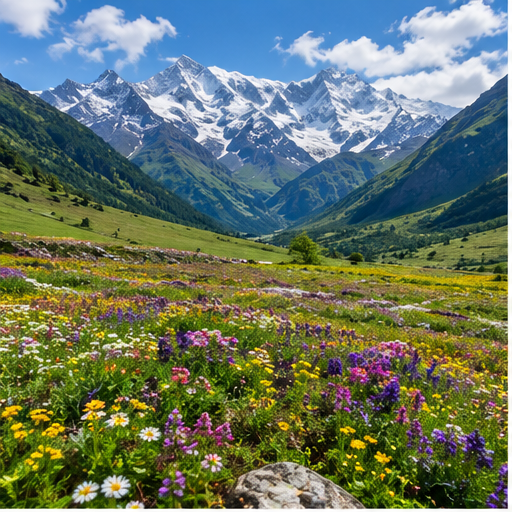
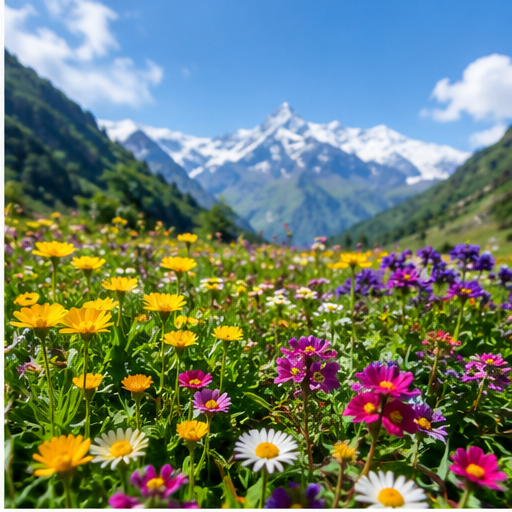
For travelers whose main goal is to see the valley covered in flowers, July to September is generally the most rewarding period, with July and August offering the strongest chance of seeing abundant blooms. Uttarakhand Tourism specifically notes that flower abundance is greatest from July to September.
Quick Answer: What Is the Best Time to Visit Valley of Flowers?
| Travel Goal | Best Period | What You Can Expect |
|---|---|---|
| Peak flower blooming | July–August | Vibrant alpine meadows and a wide variety of flowers |
| Best overall experience | Mid-July–September | Flowers, greenery, streams and dramatic mountain scenery |
| Fewer visitors | June–early July | Early-season greenery and emerging blooms |
| Peaceful late-season trek | Late August–September | Fresh landscapes and fewer flowers in some areas |
| Snow experience | Outside trekking season | Heavy snow and restricted access; not suitable for a normal Valley of Flowers visit |
Uttarakhand Tourism says flowers can be viewed between May and October, with maximum abundance from July to September. Its tourism material also identifies June to October as the general travel period. Actual access can vary according to annual weather and official opening/closing arrangements.
Valley of Flowers in July: The Most Colorful Period
July is one of the most popular months to visit Valley of Flowers.
The arrival of the monsoon transforms the landscape. The meadows become intensely green, streams carry more water and flowers begin appearing across the valley.
You may encounter colorful species such as primulas, orchids, poppies, marigolds, daisies and anemones. Uttarakhand Tourism lists more than 600 flower species associated with the park and describes July to September as the period of maximum floral abundance.
Why visit in July?
- Excellent chance of seeing colorful flower meadows
- Lush green mountain scenery
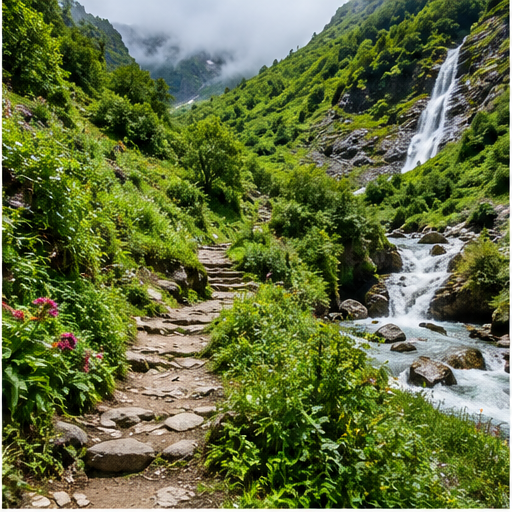
- Waterfalls and streams are particularly attractive
- Excellent conditions for landscape photography
- The valley feels especially vibrant during the monsoon
The trade-off is that monsoon weather can make mountain travel more unpredictable. Trekking trails can become wet and slippery, so appropriate footwear and rain protection are important.
Valley of Flowers in August: Peak Floral Beauty
For many flower lovers, August is an excellent month for the Valley of Flowers.
By this stage of the season, the valley can display an impressive mix of flowers across its meadows. Uttarakhand Tourism describes the monsoon period as a time when the valley’s flowers become particularly vibrant.
August can be particularly attractive for photographers because the combination of:
flowers + green meadows + waterfalls + clouds + Himalayan peaks
creates constantly changing scenery.
However, August is also part of the monsoon season. Travelers should check current road, weather and trek conditions before starting their journey.
Valley of Flowers in September: Flowers With a Quieter Feel
September can be a rewarding alternative to the busiest part of the flowering season.
The landscape remains beautiful, although individual flower species and overall bloom intensity can vary as the season progresses.
The skies and surrounding Himalayan landscape can also provide excellent photographic opportunities.
September is worth considering if you want to combine the flower experience with a quieter Himalayan trekking atmosphere.
Uttarakhand Tourism’s information on the neighboring Nanda Devi National Park identifies the broader accessible season as May to October and says the best time there is through September.
Is June a Good Time to Visit Valley of Flowers?
June can be a good choice for travelers who prefer the beginning of the trekking season, but it may not deliver the same floral spectacle as July and August.
The landscape starts becoming accessible as the high-altitude season progresses, and early flowers can appear. However, the exact condition of the trail and amount of snow can differ considerably from year to year.
Choose June if your priority is:
- Early-season trekking
- Fresh greenery
- Fewer visitors
- Cooler mountain conditions
- Seeing the valley develop as the season progresses
If your primary objective is maximum flowers, July through September is the stronger window according to Uttarakhand Tourism.
Valley of Flowers Month-by-Month Guide
| Month | Flower Situation | Trekking Experience | Overall Character |
|---|---|---|---|
| May | Limited/early season | Conditions can be challenging | Early Himalayan season |
| June | Flowers beginning to appear | Season develops | Green and relatively quiet |
| July | Excellent | Monsoon trekking | Lush and colorful |
| August | Excellent | Monsoon trekking | Peak floral atmosphere |
| September | Very good | Generally late-season trekking | Scenic and comparatively tranquil |
| October | Late/limited season | Access becomes increasingly difficult | Cold and approaching winter |
| November–April | Not a normal trekking season | Snowbound conditions | Winter landscape |
The exact opening and closing dates and trail conditions should always be checked with current local authorities before travel.
What Flowers Can You See in Valley of Flowers?
One of the reasons the destination attracts nature lovers is its remarkable botanical diversity.
Among the flowers and plants associated with the Valley of Flowers are:
| Flower / Plant | What Makes It Interesting |
|---|---|
| Himalayan blue poppy | Striking blue alpine flower |
| Primula | One of the colorful flowers found in the alpine meadows |
| Orchids | Diverse and distinctive Himalayan flowers |
| Marigold | Bright yellow-orange blooms |
| Daisies | Commonly associated with the colorful meadows |
| Anemones | Delicate alpine flowers |
| Brahma Kamal | Famous Himalayan flower, particularly associated with high-altitude Uttarakhand |
Uttarakhand Tourism notes that the region contains hundreds of flower species and highlights orchids, poppies, primulas, marigolds, daisies and anemones among the notable flora.
How to Reach Valley of Flowers
The Valley of Flowers does not have direct road access.
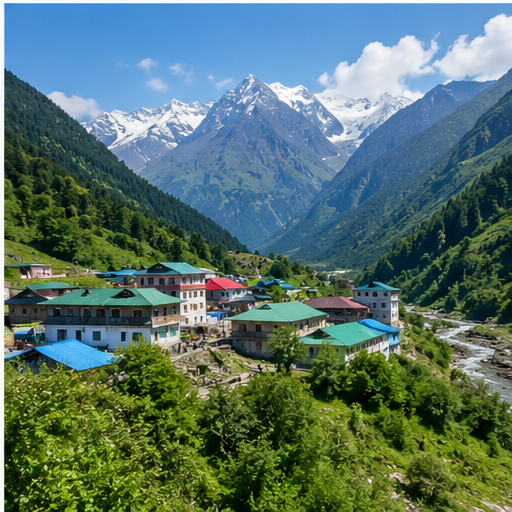
A typical journey involves reaching Govindghat, continuing toward Ghangaria, and then trekking into the Valley of Flowers.
| Travel Point | Information |
|---|---|
| Nearest major airport | Jolly Grant Airport, Dehradun |
| Nearest major railway station | Rishikesh |
| Road access | Available up to Govindghat |
| Trek base | Ghangaria |
| Valley access | Trekking route from Ghangaria |
| Region | Chamoli district, Uttarakhand |
Uttarakhand Tourism identifies Jolly Grant Airport as the nearest airport and Rishikesh as the nearest railway station, with road access continuing to Govindghat before the trek.
The official tourism itinerary describes Govindghat–Ghangaria as the principal trekking section and Ghangaria as the base for both the Valley of Flowers and Hemkund Sahib routes.
How Many Days Are Needed for Valley of Flowers?
A comfortable trip generally requires several days because the destination involves a long mountain journey before and after the trek.
Uttarakhand Tourism publishes a 6-night/7-day itinerary covering the Valley of Flowers route from Govindghat, including travel through Dehradun, Govindghat, Ghangaria and the valley.
For independent travelers, the actual duration can vary depending on:
- Starting city
- Road conditions
- Acclimatization needs
- Number of nights in Ghangaria
- Whether Hemkund Sahib is included
- Weather conditions
Valley of Flowers Trek: Important Things to Know
| Tip | Why It Matters |
|---|---|
| Carry rain protection | July and August fall within the monsoon period |
| Wear proper trekking shoes | Trails can be wet, muddy and uneven |
| Carry warm clothing | The valley is at high altitude |
| Start trekking early | Gives you more time in the valley |
| Carry water | High-altitude trekking requires good hydration |
| Protect your camera/phone | Rain and moisture can be an issue |
| Check official conditions | Weather can affect access and road travel |
| Respect the flora | Do not pick flowers or disturb wildlife |
| Plan accommodation in advance | Ghangaria becomes busy during the main season |
Importantly, Uttarakhand Tourism states that overnight stays and camping are not allowed inside the Valley of Flowers and visitors need to return to Ghangaria by 5 p.m.
Valley of Flowers and Hemkund Sahib
Many travelers combine Valley of Flowers with Hemkund Sahib, a high-altitude Sikh pilgrimage site.
The two destinations are accessed from the Ghangaria area, making it possible to include both in a longer Himalayan itinerary. Hemkund Sahib is significantly higher, however, so travelers should take the additional altitude and demanding ascent seriously.
Uttarakhand Tourism lists Hemkund Sahib among the major attractions associated with the Valley of Flowers region.
Best Time to Visit Valley of Flowers for Photography
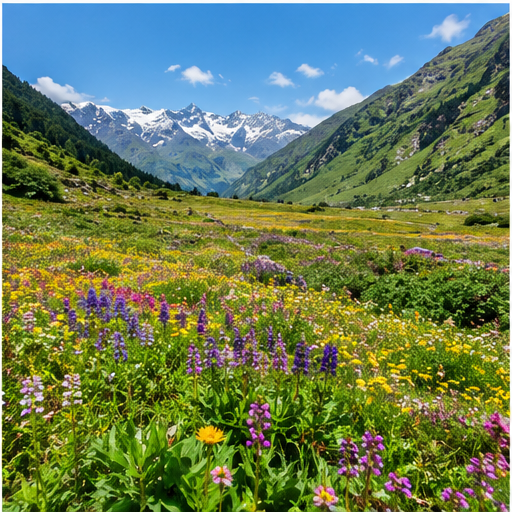
If photography is your priority, July and August offer a particularly interesting combination of:
- Dense flower coverage
- Green meadows
- Waterfalls
- Mountain streams
- Mist and clouds
- Dramatic Himalayan backgrounds
September can also be attractive when weather and visibility cooperate.
For photographers, an early morning start is useful because changing mountain weather can alter visibility quickly.
Frequently Asked Questions
July and August are among the best months for seeing abundant flowers, while the broader peak-flowering period is generally July through September.
It is not a normal winter trekking destination. The high-altitude landscape becomes snowbound, and access is seasonal. Always verify the current year’s official opening arrangements before planning a trip.
Yes. September falls within the broader recommended flowering period and can offer beautiful landscapes, although the exact number and variety of flowers varies as the season progresses.
Yes, particularly if seeing flowers is your main objective. The valley becomes lush and colorful during the monsoon, although rain can make travel and trekking more challenging.
Ghangaria is the principal base for visiting the Valley of Flowers. Uttarakhand Tourism identifies it as the last inhabited settlement on the trekking route and a base for the valley and Hemkund Sahib.
No. Uttarakhand Tourism states that overnight stays and camping are not permitted inside the Valley of Flowers; visitors need to return to Ghangaria.
The trek is commonly described as moderate, but high altitude, changing weather, uneven terrain and long walking days mean visitors should prepare physically and check current trail conditions.