
Which European Destinations Should Travelers Visit First?
London, Rome, Paris, and Prague are four must-see European destinations for travelers interested in historic landmarks, world-famous architecture, cultural experiences, and memorable city breaks. Each city offers a distinctive atmosphere, from London’s royal heritage and Rome’s ancient ruins to Paris’s artistic charm and Prague’s medieval streets.
Europe is home to some of the world’s most fascinating destinations, where centuries-old architecture exists alongside modern restaurants, lively neighborhoods, and cultural attractions. Whether travelers are planning their first international vacation or returning to explore another country, choosing the right destinations can shape the entire experience.
London appeals to visitors interested in museums, royal landmarks, and theater. Rome brings ancient history to life through its monuments and piazzas. Paris offers celebrated art museums, elegant streets, and iconic landmarks, while Prague combines Gothic architecture with comparatively affordable sightseeing opportunities.
However, planning a European vacation involves more than selecting popular cities. Travelers should also consider seasonal weather, flight connections, accommodation costs, transportation, and the number of days available.
This guide explores four European destinations worth visiting, their major attractions, recommended travel seasons, and practical tips for planning an enjoyable trip.
What Are the Four Must-See Destinations in Europe?
London, Rome, Paris, and Prague offer four different European travel experiences, making them excellent choices for first-time visitors and experienced travelers alike.
| Destination | Country | Famous attractions | Best for |
|---|---|---|---|
| London | United Kingdom | Tower of London, British Museum, Buckingham Palace | History, museums, theater |
| Rome | Italy | Colosseum, Roman Forum, Pantheon | Ancient history, architecture, food |
| Paris | France | Eiffel Tower, Louvre Museum, Notre-Dame | Art, culture, romantic getaways |
| Prague | Czechia | Prague Castle, Charles Bridge, Old Town Square | Medieval architecture, budget-conscious travel |
Although these cities are popular throughout the year, their visitor numbers, accommodation prices, and weather conditions vary considerably by season.
Why Is London One of Europe’s Most Popular Destinations?
London is one of Europe’s most popular cities because it combines royal history, world-class museums, diverse neighborhoods, and an internationally recognized theater scene.
The British capital offers a wide range of experiences, from exploring historic palaces to visiting contemporary art galleries and enjoying traditional British food.
Read the blog: What Should You Choose for Your First Europe Trip:
What Are the Best Places to Visit in London?
London’s major attractions reflect its centuries of history and its role as a global cultural center.
| Attraction | What makes it special |
|---|---|
| Tower of London | Historic fortress and Crown Jewels |
| Buckingham Palace | Royal residence and ceremonial traditions |
| British Museum | Extensive collections of world history |
| Tower Bridge | Famous Victorian bridge and panoramic views |
| Westminster Abbey | Historic coronation church |
| Hyde Park | Large green space for walking and relaxation |
| West End | Theater performances and musicals |
Travelers should check admission requirements because some attractions require advance tickets, while others offer free entry to their permanent collections.
What Can Travelers Experience Beyond London’s Famous Landmarks?
London’s neighborhoods provide opportunities to experience the city beyond its major tourist attractions.
Covent Garden is known for shopping, street performances, and dining, while Camden attracts visitors interested in markets and alternative culture.
Notting Hill offers colorful streets and independent shops, while South Bank provides riverside walks with views of major landmarks.
Visitors can also enjoy traditional afternoon tea, explore local food markets, or attend a West End production.
When Is the Best Time to Visit London?
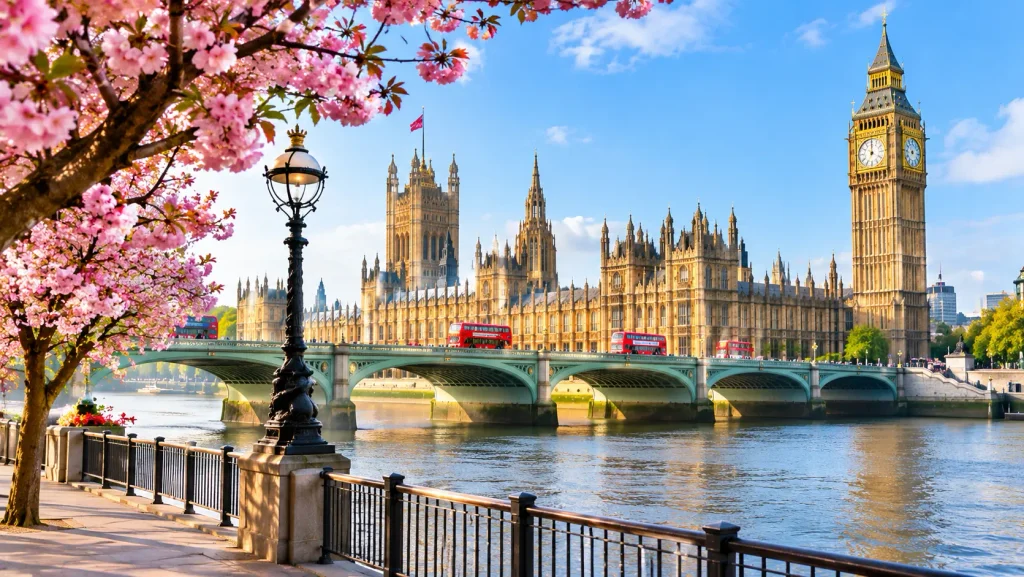
Late spring and early autumn are generally excellent periods for visiting London because temperatures are relatively comfortable for sightseeing.
Summer offers longer daylight hours and numerous outdoor events, but popular attractions can become crowded.
Winter brings festive decorations and seasonal activities, although daylight hours are shorter and temperatures are colder.
Which Airlines Can Travelers Consider for London?
Travelers can compare international flights offered by British Airways and Virgin Atlantic, depending on their departure airport and route availability.
London Heathrow is a major international gateway, while Gatwick, Stansted, Luton, and London City airports serve different routes and airlines.
How Many Days Are Enough to Explore London?
Four to five days are recommended for travelers who want to visit major landmarks, explore neighborhoods, and enjoy cultural attractions without rushing.
A shorter three-day visit can cover selected highlights, but travelers may need to prioritize attractions located close to one another.
Why Should Rome Be on Every European Travel Itinerary?
Rome is an essential European destination for travelers interested in ancient civilizations, monumental architecture, religious landmarks, and traditional Italian cuisine.
Italy’s capital is often described as an open-air museum because historic structures, archaeological sites, and artistic landmarks are found throughout the city.
Which Historical Attractions Should Travelers Visit in Rome?
Rome’s attractions provide insight into the Roman Empire, Renaissance art, and the city’s religious significance.
| Attraction | Main highlight |
|---|---|
| Colosseum | Ancient Roman amphitheater |
| Roman Forum | Ruins of ancient government and public buildings |
| Pantheon | Remarkably preserved ancient Roman monument |
| Trevi Fountain | Famous Baroque fountain |
| Spanish Steps | Historic staircase and lively square |
| Piazza Navona | Baroque architecture and fountains |
| Vatican Museums | Extensive art collections and Sistine Chapel |
The Vatican Museums and St. Peter’s Basilica are located in Vatican City, an independent state surrounded by Rome.
What Makes Rome Different From Other European Cities?
Rome offers a distinctive combination of ancient ruins, Renaissance art, and everyday Italian culture.
Travelers can explore the Colosseum in the morning, visit a historic church in the afternoon, and spend the evening dining in Trastevere.
The city’s piazzas, fountains, and narrow streets also make walking an important part of the experience.
Traditional dishes such as carbonara, cacio e pepe, and Roman-style pizza are popular choices for visitors interested in local cuisine.
When Is the Best Time to Visit Rome?
April to early June and September to October are generally among the most comfortable periods for sightseeing in Rome.
Spring offers pleasant temperatures and flowering gardens, while autumn brings cooler weather after the summer heat.
July and August can be particularly hot, making midday visits to exposed archaeological sites more challenging.
Which Airlines Can Travelers Consider for Rome?
Travelers can compare flights operated by ITA Airways and Lufthansa, including eligible connecting itineraries.
Rome Fiumicino Airport is the city’s primary international gateway, while Ciampino Airport serves selected low-cost and regional services.
How Long Should Travelers Stay in Rome?
Three to four days are generally sufficient for exploring Rome’s major attractions.
Visitors planning to spend additional time at the Vatican Museums, archaeological sites, or nearby destinations may benefit from a longer stay.
Why Is Paris Considered a Must-See Destination in Europe?
Paris is one of Europe’s most celebrated destinations because of its iconic monuments, internationally renowned art museums, historic neighborhoods, and distinctive café culture.
The French capital offers experiences suited to couples, families, solo travelers, and visitors interested in fashion, food, and architecture.
What Are the Most Famous Tourist Attractions in Paris?
Paris offers a wide range of landmarks, from historic cathedrals to major cultural institutions.
| Attraction | Why travelers visit |
|---|---|
| Eiffel Tower | Panoramic city views |
| Louvre Museum | Art collections, including the Mona Lisa |
| Notre-Dame Cathedral | Gothic architecture and religious history |
| Arc de Triomphe | Monument and city viewpoints |
| Montmartre | Artistic neighborhood and hillside streets |
| Sacré-Cœur Basilica | Hilltop landmark and panoramic views |
| Luxembourg Gardens | Gardens and relaxation |
| Seine River | Riverside walks and sightseeing cruises |
Travelers should reserve tickets for popular attractions in advance when possible, particularly during busy travel periods.
What Can Travelers Do in Paris Beyond Sightseeing?
Paris offers numerous cultural experiences beyond its most recognizable monuments.
Visitors can explore independent bookstores, browse local markets, visit smaller museums, and enjoy traditional pastries at neighborhood bakeries.
Le Marais is popular for its historic streets and boutiques, while Saint-Germain-des-Prés is known for literary history and café culture.
Walking along the Seine or spending time in a public garden can provide a relaxed alternative to a packed sightseeing schedule.
When Is the Best Time to Visit Paris?
April to June and September to October are generally excellent periods for visiting Paris because of the comfortable weather and opportunities for outdoor sightseeing.
Summer brings longer days and a lively atmosphere, although accommodation prices and visitor numbers may increase.
Winter is typically colder, but it can appeal to travelers interested in museums, seasonal decorations, and quieter sightseeing outside major holidays.
Which Airlines Can Travelers Consider for Paris?
Travelers can compare international services from Air France and Delta Air Lines, depending on their origin and available connections.
Paris Charles de Gaulle Airport is a major international hub, while Paris Orly Airport serves additional domestic and international routes.
How Many Days Should Travelers Spend in Paris?
Four days are generally suitable for exploring the major attractions, visiting museums, and experiencing different neighborhoods.
A five- or six-day stay allows additional time for slower sightseeing and possible day trips to nearby destinations such as Versailles.
Why Is Prague One of Europe’s Most Beautiful Cities?
Prague is one of Europe’s most visually distinctive destinations because of its Gothic towers, historic bridges, medieval streets, and well-preserved architectural landmarks.
The Czech capital offers a combination of history, culture, and scenic surroundings, often with more affordable dining and accommodation options than London or Paris.
What Are the Best Places to Visit in Prague?
Prague’s historic center contains numerous landmarks that can be explored on foot.
| Attraction | Main experience |
|---|---|
| Prague Castle | Historic castle complex |
| Charles Bridge | Medieval bridge and city views |
| Old Town Square | Historic buildings and lively atmosphere |
| Astronomical Clock | Medieval astronomical clock |
| St. Vitus Cathedral | Gothic architecture |
| Wenceslas Square | Shopping, history, and public spaces |
| Petřín Hill | Gardens and panoramic viewpoints |
| Jewish Quarter | Historic synagogues and cultural heritage |
Some sites within Prague Castle and the Jewish Quarter require admission tickets.
What Makes Prague a Good Destination for Budget Travelers?
Prague can offer better value than several Western European capitals, particularly for dining, public transportation, and selected accommodation categories.
Visitors can enjoy free activities such as walking across Charles Bridge, exploring Old Town, and visiting scenic public viewpoints.
However, hotels near major tourist attractions may charge higher rates, especially during holidays and popular travel periods.
Travelers should compare accommodation in neighborhoods with convenient tram or metro connections.
When Is the Best Time to Visit Prague?
May, June, September, and early October are generally excellent months for exploring Prague.
Spring brings pleasant conditions and flowering parks, while autumn offers colorful scenery and cooler temperatures.
December is also popular for seasonal markets and festive decorations, although winter temperatures can be cold.
Which Airlines Can Travelers Consider for Prague?
Travelers can compare flights and connecting services offered by Lufthansa and KLM, depending on their departure city.
Václav Havel Airport Prague serves the Czech capital and provides connections to numerous European destinations.
How Many Days Are Enough for Prague?
Three days are generally sufficient for exploring Prague’s main historic attractions and neighborhoods.
Visitors interested in museums, day trips, and a more relaxed itinerary may prefer four days.
Which European Destination Is Best for Different Travelers?
The best European destination depends on the traveler’s interests, budget, preferred activities, and available vacation time.
London is particularly suitable for museum enthusiasts, Rome attracts history lovers, Paris appeals to art and culture enthusiasts, and Prague is a strong choice for travelers seeking historic scenery with relatively manageable expenses.
| Traveler preference | Recommended destination | Main reason |
|---|---|---|
| First European vacation | London or Paris | Famous attractions and extensive transport networks |
| Ancient history | Rome | Roman ruins and archaeological sites |
| Romantic getaway | Paris or Prague | Scenic streets and historic architecture |
| Budget-conscious travel | Prague | Potentially lower dining and accommodation costs |
| Museums and theater | London | Major museums and West End performances |
| Food-focused vacation | Rome or Paris | Distinctive culinary traditions |
| Architectural photography | Prague or Rome | Historic buildings and monuments |
| Family vacation | London or Paris | Diverse attractions for different ages |
When Is the Best Time to Visit These European Cities?
Spring and autumn are generally the best seasons for visiting London, Rome, Paris, and Prague because temperatures are often comfortable for walking and sightseeing.
However, each city experiences different weather patterns, seasonal events, and visitor demand.
How Do the Four Destinations Compare by Season?
| City | Best travel months | Summer conditions | Winter experience |
|---|---|---|---|
| London | May–June, September | Mild to warm, busy | Cold, festive attractions |
| Rome | April–May, September–October | Hot, crowded | Cooler, generally quieter |
| Paris | April–June, September–October | Warm, popular | Cold, museums and seasonal events |
| Prague | May–June, September–October | Warm, busy | Cold, Christmas markets |
Travelers should remember that shoulder-season weather is not guaranteed. Rain, heat, and unexpected temperature changes can occur.
Which European City Is the Most Affordable to Visit?
Prague is often the most budget-friendly choice among these four cities, particularly for dining, public transportation, and certain accommodation options.
London and Paris generally have higher accommodation costs, while Rome can offer a range of affordable and premium experiences.
How Do Travel Expenses Compare?
| Expense | London | Rome | Paris | Prague |
|---|---|---|---|---|
| Accommodation | High | Moderate to high | High | Moderate |
| Dining | Moderate to high | Moderate | Moderate to high | Low to moderate |
| Public transport | Moderate to high | Moderate | Moderate | Relatively affordable |
| Free attractions | Excellent selection | Many outdoor landmarks | Parks and outdoor landmarks | Historic streets and viewpoints |
| Overall budget suitability | Moderate | Good | Moderate | Very good |
These are general cost comparisons, not live hotel or airfare quotations. Actual prices depend on travel dates, booking conditions, and personal preferences.
How Can Travelers Plan a Multi-City European Vacation?
Travelers can combine London, Paris, Rome, and Prague into a single European itinerary by using flights and rail services strategically.
However, visiting all four cities requires sufficient time because travel between destinations involves airport transfers, security procedures, or lengthy rail journeys.
What Is a Practical 12-Day European Itinerary?
| Day | Destination | Suggested activities |
|---|---|---|
| 1–3 | London | Tower of London, British Museum, Westminster |
| 4–6 | Paris | Eiffel Tower, Louvre, Montmartre |
| 7–9 | Rome | Colosseum, Roman Forum, Vatican Museums |
| 10–12 | Prague | Prague Castle, Charles Bridge, Old Town |
Travel days should be included within each destination’s allocation. This itinerary is best suited to travelers comfortable with a relatively fast pace.
For a more relaxed vacation, spending five to seven days in two cities may be preferable.
Is It Better to Travel Between European Cities by Train or Plane?
The better transportation option depends on the distance, ticket price, and journey time.
For example, London and Paris are connected by Eurostar rail services, making train travel a practical option.
Flights may be more convenient for longer journeys between Rome, Prague, and other European capitals.
Travelers should compare the complete journey, including airport transfers, baggage charges, and travel time.
What Should First-Time Travelers Know Before Visiting Europe?
First-time visitors should check passport requirements, visa eligibility, transportation options, and accommodation arrangements before departure.
The United Kingdom, Italy, France, and Czechia do not all follow identical entry rules.
What Are the Main Travel Requirements?
| Requirement | What travelers should check |
|---|---|
| Passport | Validity requirements for each destination |
| Visa or authorization | Nationality-specific entry rules |
| Travel insurance | Medical coverage and trip protection |
| Accommodation | Booking confirmations and cancellation conditions |
| Transportation | Rail tickets, flights, and airport transfers |
| Currency | British pound, euro, and Czech koruna |
| Mobile connectivity | International roaming or travel eSIM |
| Local transportation | Public transport tickets and passes |
Italy, France, and Czechia belong to the Schengen Area, while the United Kingdom operates a separate immigration system.
Travelers should verify whether they require a Schengen visa, a UK visa, or another entry authorization based on their nationality and travel circumstances.
How Can Travelers Save Money on European Vacations?
Travelers can reduce European vacation expenses by comparing flights, choosing convenient accommodation, using public transportation, and booking major attractions in advance.
The cheapest airfare does not always produce the most affordable vacation because accommodation and local transportation costs can vary significantly.
Which Money-Saving Strategies Work Best?
- Travel during shoulder seasons: Spring and autumn may offer better value than peak summer.
- Compare nearby airports: Alternative airports may provide lower fares, but transfer costs matter.
- Use public transportation: Metro, tram, bus, and rail networks can reduce daily expenses.
- Book popular attractions early: Advance reservations help travelers secure preferred entry times.
- Choose accommodation near transit: Hotels outside central tourist districts may offer better value.
- Explore free attractions: Public parks, historic streets, and selected museums can reduce sightseeing costs.
- Compare rail and air travel: Consider baggage charges and door-to-door journey times.
- Avoid unnecessary currency conversion fees: Review card charges and payment currency options.
What Mistakes Should Travelers Avoid When Planning a Europe Trip?
Travelers should avoid creating an overly ambitious itinerary that leaves little time for sightseeing or relaxation.
Common mistakes include underestimating travel distances, booking accommodation far from transportation, overlooking entry requirements, and ignoring attraction reservation policies.
Visitors should also avoid assuming that all European countries use the euro or have identical visa rules.
Planning realistic travel times and understanding local requirements can help prevent unnecessary expenses and disruptions.
Frequently Asked Questions
London, Rome, Paris, and Prague are four excellent European destinations because they offer historic landmarks, cultural attractions, distinctive architecture, and memorable sightseeing experiences.
London and Paris are particularly suitable for first-time visitors because of their famous attractions, extensive transportation networks, and wide range of accommodation options.
Prague is often more affordable than Paris and London, particularly for restaurants, public transportation, and selected hotels. However, prices increase during popular travel periods.
May and September are generally excellent months for visiting many European cities because temperatures are often comfortable and sightseeing conditions are favorable.
Seven to ten days can be sufficient for exploring two or three cities. Travelers planning to visit four destinations should consider approximately 12 to 15 days.
Rome is particularly appealing for history enthusiasts because of its ancient Roman monuments, archaeological sites, and historic churches.
Paris and Prague are popular choices for couples because of their historic streets, scenic viewpoints, and atmospheric restaurants.
Airlines such as British Airways, Air France, Lufthansa, KLM, and ITA Airways offer extensive European services. The best option depends on the departure airport, destination, schedule, and fare.
European travel costs vary considerably. Prague and selected neighborhoods in Rome may offer better value than central London or Paris, especially outside peak seasons.
Yes. Popular attractions such as the Colosseum, Eiffel Tower, and Vatican Museums can have limited ticket availability, making advance reservations useful.