
Where Should Travelers Go for a Perfect Spring Vacation?
Spring is one of the most rewarding seasons for exploring destinations around the world. Cherry blossoms transform historic streets, coastal cities enjoy comfortable temperatures, and famous landmarks become more inviting before the busiest summer travel period.
Some of the best spring destinations to visit are Kyoto in Japan, Casablanca in Morocco, Busan in South Korea, Rio de Janeiro in Brazil, and Rome in Italy. Each offers a different seasonal experience, from flowering gardens and cultural landmarks to beaches, traditional markets, and outdoor adventures.
However, spring does not arrive at the same time everywhere. March through May marks spring across much of the Northern Hemisphere, while destinations in the Southern Hemisphere experience autumn during those months. Choosing the right destination therefore requires more than looking at the calendar.
This guide explores five distinctive destinations, their seasonal attractions, recommended travel periods, transportation options, and practical planning considerations.
Which Are the Best Spring Destinations to Visit Around the World?
Kyoto, Casablanca, Busan, Rio de Janeiro, and Rome offer some of the most appealing travel experiences between March and May. These destinations combine seasonal scenery, cultural attractions, and opportunities for sightseeing.
Each location has a different advantage. Kyoto and Busan are known for spring blossoms, Casablanca offers comfortable coastal exploration, Rome is excellent for historic sightseeing, and Rio de Janeiro provides beaches and outdoor adventures during its Southern Hemisphere autumn.
| Destination | Recommended months | Typical seasonal conditions | Best for |
| Kyoto, Japan | Late March–April | Mild, occasionally rainy | Cherry blossoms, temples, gardens |
| Casablanca, Morocco | March–May | Mild coastal weather | Architecture, markets, food |
| Busan, South Korea | Late March–May | Cool to pleasantly warm | Cherry blossoms, beaches, temples |
| Rio de Janeiro, Brazil | March–May | Warm, gradually less humid | Beaches, viewpoints, outdoor activities |
| Rome, Italy | April–May | Mild to warm, occasional rain | Historic landmarks, walking tours, food |
These periods are general planning recommendations. Blossom timing, rainfall, holiday crowds, and temperatures vary from one season to another.
Why Is Kyoto, Japan, a Beautiful Spring Destination?
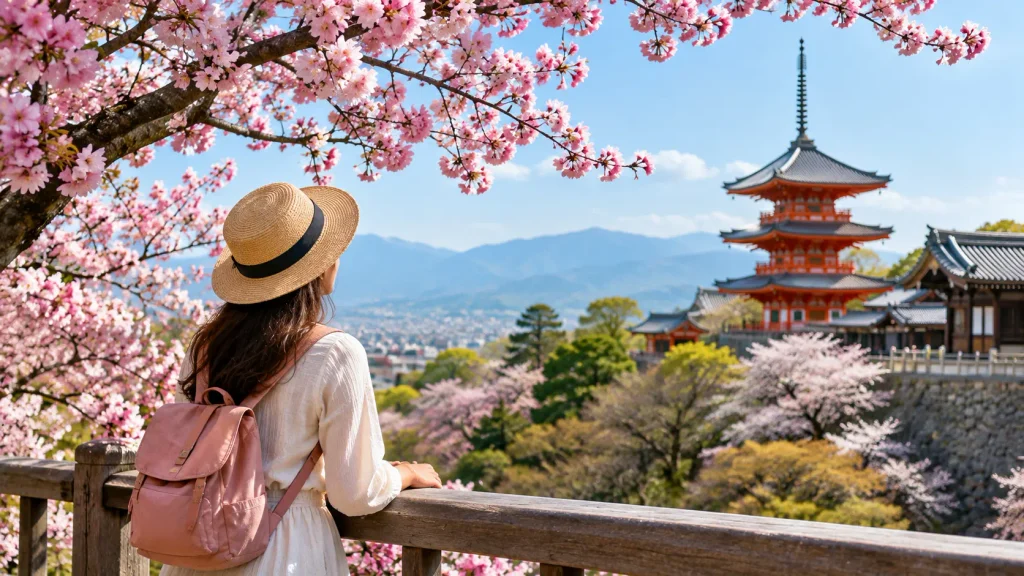
Kyoto is among the best places to visit in spring because its historic temples, traditional neighborhoods, and landscaped gardens become especially picturesque during cherry blossom season.
Located in Japan’s Kansai region, Kyoto is known for centuries-old architecture, Shinto shrines, Buddhist temples, and cultural traditions. Spring adds a distinctive atmosphere as pale pink blossoms appear around rivers, gardens, and temple grounds.
Best Time to Visit Kyoto
Late March through early April is generally the most popular period for cherry blossom viewing in central Kyoto. However, peak blooming dates change annually depending on temperature and weather patterns.
March can still feel chilly, particularly in the mornings and evenings. April is generally milder, while May brings greener landscapes and more comfortable conditions for longer outdoor excursions.
Travelers hoping to see cherry blossoms should remain flexible with their itinerary because the most impressive blooming period can be brief.
What Are the Best Things to Do in Kyoto During Spring?
Kyoto offers a combination of famous landmarks and quieter outdoor attractions.
Philosopher’s Path
This scenic walking route follows a canal lined with cherry trees. During peak bloom, it becomes one of Kyoto’s most recognizable spring landscapes.
Kiyomizu-dera Temple
The historic temple offers elevated views across Kyoto, with seasonal blossoms and surrounding hills creating an attractive backdrop.
Arashiyama Bamboo Grove
Arashiyama is known for its bamboo forest, riverside scenery, and nearby temples. Spring is suitable for exploring the district on foot.
Maruyama Park
A popular location for hanami, the Japanese tradition of appreciating cherry blossoms, Maruyama Park attracts visitors during the flowering season.
Fushimi Inari Taisha
The shrine’s famous red torii gates extend along wooded walking paths. Visiting early in the morning can provide a quieter experience.
What Should Travelers Eat in Kyoto?
Kyoto’s culinary traditions emphasize seasonal ingredients, careful presentation, and regional specialties.
Visitors can explore kaiseki dining, tofu dishes, matcha desserts, soba noodles, and traditional Japanese sweets.
Spring also brings seasonal confections inspired by cherry blossoms, although their availability varies between shops and restaurants.
Which Airlines Can Travelers Consider for Kyoto?
Travelers can compare flights with Japan Airlines, All Nippon Airways, and other carriers serving Kansai International Airport (KIX).
Kyoto does not have a major commercial airport of its own. Kansai International Airport is a common international gateway, while Osaka Itami Airport (ITM) serves many domestic routes.
From Kansai International Airport, travelers can reach Kyoto by rail or airport transportation services.
Best suited for: Couples, cultural travelers, photographers, and visitors interested in traditional Japanese architecture.
What Makes Casablanca, Morocco, Worth Visiting in Spring?
Casablanca is an appealing spring destination because its Atlantic coastline, distinctive architecture, and urban attractions can be explored in relatively mild weather.
As Morocco’s largest city and an important commercial center, Casablanca presents a different atmosphere from the country’s historic imperial cities.
Modern buildings, French-influenced architecture, traditional markets, and coastal neighborhoods contribute to its character.
Best Time to Visit Casablanca
March through May generally offers pleasant conditions for walking tours and sightseeing.
Daytime temperatures are often comfortable, although coastal winds and occasional rainfall can affect outdoor plans.
April and May are particularly suitable for travelers who prefer exploring city attractions without the intense heat associated with some inland Moroccan destinations during summer.
What Are the Best Places to Explore in Casablanca?
Hassan II Mosque
One of Casablanca’s most famous landmarks, the Hassan II Mosque stands beside the Atlantic Ocean and is recognized for its monumental architecture and detailed craftsmanship.
Non-Muslim visitors can access designated areas through organized visits at permitted times.
La Corniche
The Ain Diab waterfront area offers ocean views, restaurants, cafés, and access to beachside attractions.
It is particularly enjoyable for evening walks and coastal dining.
Habous Quarter
Also called the New Medina, this neighborhood combines traditional Moroccan architectural influences with organized shopping streets.
Visitors can explore artisan shops, bakeries, and markets selling local products.
Old Medina
Casablanca’s Old Medina provides an opportunity to experience narrow streets, local businesses, and traditional urban life.
Mohammed V Square
This central square is surrounded by notable administrative buildings and architecture influenced by French colonial-era design.
Which Moroccan Foods Should Visitors Try?
Casablanca offers an excellent introduction to Moroccan cuisine.
Popular dishes include couscous, tagine, grilled seafood, harira soup, and freshly baked Moroccan bread.
Mint tea is widely served in cafés and restaurants, while coastal dining establishments offer various fish and seafood preparations.
How Can Travelers Reach Casablanca?
Mohammed V International Airport (CMN) is the city’s principal international airport.
Royal Air Maroc is a major carrier serving Casablanca, while other international airlines provide direct or connecting services from selected destinations.
Travelers can use rail connections, taxis, or arranged transportation to reach the city.
Best suited for: Architecture enthusiasts, food lovers, urban explorers, and travelers planning a broader Moroccan itinerary.
Why Should Travelers Visit Busan, South Korea, in Spring?
Busan is an excellent spring destination for travelers who want cherry blossoms, mountain scenery, traditional temples, and coastal attractions in one city.
South Korea’s second-largest city combines busy urban districts with beaches, seafood markets, and scenic hiking routes. Compared with the dense urban environment of Seoul, Busan offers a distinctive coastal experience.
Best Time to Visit Busan
Late March through April is generally the most attractive period for spring blossoms, while May offers warmer conditions for sightseeing and coastal walks.
Cherry blossoms often appear earlier in Busan than in Seoul because of regional temperature differences.
Visitors should expect cooler evenings during early spring, especially near the coast.
What Are the Top Spring Attractions in Busan?
Haeundae Beach
Haeundae is one of South Korea’s best-known beaches. Spring is ideal for walking along the coastline, visiting nearby cafés, and enjoying the sea views without peak summer beach crowds.
Swimming conditions may still be cool, particularly in March and April.
Haedong Yonggungsa Temple
Located beside the sea, this Buddhist temple is known for its dramatic coastal setting.
The surrounding scenery makes it particularly attractive for photography and peaceful sightseeing.
Gamcheon Culture Village
Colorful houses, murals, small galleries, and hillside streets give this neighborhood its distinctive appearance.
Visitors can explore its winding lanes and viewpoints while respecting the residential community.
Dalmaji Hill
This coastal hillside is associated with spring cherry blossoms and scenic views over the surrounding neighborhoods.
Jagalchi Market
Busan’s famous seafood market offers an opportunity to explore the city’s maritime food culture.
Visitors can browse seafood stalls and dine at participating restaurants.
Can Travelers Combine Busan With Jeju Island?
Yes. Busan and Jeju Island can be combined in a longer South Korea itinerary, particularly for travelers interested in seasonal flowers and natural scenery.
Jeju is known for volcanic landscapes, coastal attractions, and spring blossoms.
However, flying is generally the most practical connection between Busan and Jeju for many travelers. Ferry availability and routes should be checked separately rather than assuming a convenient express service operates every day.
Which Airlines Serve Busan?
Travelers can compare flights with Korean Air, Air Busan, and other airlines serving Gimhae International Airport (PUS).
Some international journeys require a connection through Seoul or another Asian hub.
Best suited for: Nature lovers, photographers, families, and travelers seeking a combination of urban and coastal attractions.
Is Rio de Janeiro, Brazil, a Good Spring Travel Destination?
Rio de Janeiro is an attractive destination during March through May because travelers can enjoy warm beaches, scenic viewpoints, and outdoor activities as the Southern Hemisphere moves from summer into autumn.
Although these months are not spring in Brazil, they can offer favorable conditions for visitors planning a Northern Hemisphere spring vacation.
Rio is particularly known for its coastline, mountainous surroundings, music, and distinctive cultural atmosphere.
Best Time to Visit Rio de Janeiro
March is generally warm and humid, with occasional heavy rainfall.
April and May often provide more comfortable sightseeing conditions as temperatures gradually moderate.
Beach activities remain possible throughout this period, although ocean conditions and rainfall can vary.
Travelers should also remember that Rio’s famous Carnival does not occur throughout spring. Its dates vary according to the calendar and generally fall in February or early March.
What Are the Best Activities in Rio de Janeiro?
Christ the Redeemer
Situated atop Corcovado Mountain, this landmark offers expansive views across Rio.
Clear weather is particularly important for enjoying the scenery, so travelers should check conditions before visiting.
Sugarloaf Mountain
Visitors can take a cable car to enjoy panoramic views of Guanabara Bay, the surrounding mountains, and the city’s coastline.
Late afternoon can be especially attractive for photography.
Copacabana Beach
Copacabana is known for its long shoreline, lively promenade, and nearby restaurants.
It is suitable for beach walks, relaxation, and observing the city’s coastal lifestyle.
Ipanema Beach
Ipanema offers another well-known beachfront setting, with nearby shopping streets and dining establishments.
Tijuca National Park
This protected forest area contains hiking trails, waterfalls, and viewpoints.
Guided activities may be useful for visitors unfamiliar with the terrain or local conditions.
What Should Travelers Know About Rio’s Beaches?
Rio’s beaches are popular throughout the warmer months, but ocean currents and wave conditions can change.
Visitors should follow lifeguard guidance and swim only where conditions are suitable.
For sightseeing, lightweight clothing, sunscreen, and comfortable walking shoes are useful. Rain protection may also be necessary.
Which Airlines Can Travelers Consider for Rio?
Travelers can compare international services operated by LATAM Airlines, Delta Air Lines, and other carriers, depending on their departure city.
Rio de Janeiro–Galeão International Airport (GIG) serves many international flights, while Santos Dumont Airport (SDU) primarily handles domestic services.
Best suited for: Beach enthusiasts, adventure travelers, couples, and visitors interested in outdoor sightseeing.
Why Is Rome, Italy, One of the Best Places to Visit in Spring?
Rome is among Europe’s most appealing spring destinations because mild temperatures make it easier to explore historic landmarks, public squares, gardens, and traditional neighborhoods.
The Italian capital offers an exceptional concentration of ancient monuments, museums, religious landmarks, and culinary experiences.
Spring is especially rewarding for visitors who want to spend several hours walking between attractions.
Best Time to Visit Rome
April and May generally offer comfortable weather for sightseeing, although occasional rain is possible.
March can be cooler, particularly in the evenings.
May often provides warmer afternoons and longer daylight hours, making it convenient for extended walking itineraries.
However, Rome is not necessarily uncrowded in spring. Easter, public holidays, and major religious events can attract substantial visitor numbers.
What Are the Must-Visit Attractions in Rome?
The Colosseum
One of the world’s most recognizable ancient amphitheaters, the Colosseum is an essential stop for travelers interested in Roman history.
Advance reservations are advisable, especially during busy travel periods.
Roman Forum and Palatine Hill
These archaeological sites provide insight into ancient Roman political, religious, and residential life.
Exploring them can involve considerable walking on uneven surfaces.
Trevi Fountain
This famous Baroque fountain is one of Rome’s most visited attractions.
Travelers should check current access arrangements because crowd-management measures may affect how visitors approach the fountain.
Pantheon
The Pantheon is celebrated for its remarkable dome and architectural preservation.
Visitors should review ticketing arrangements and religious service schedules before arrival.
Vatican Museums and St. Peter’s Basilica
The Vatican Museums contain extensive art collections, including the Sistine Chapel.
St. Peter’s Basilica is another major attraction, although entry procedures and opening arrangements differ from those of the museums.
Where Can Visitors Enjoy Rome’s Spring Atmosphere?
Rome’s gardens and public spaces become particularly attractive as temperatures rise.
Villa Borghese offers green spaces, walking paths, and opportunities for relaxation between sightseeing activities.
The Orange Garden on Aventine Hill provides an elevated viewpoint, while Trastevere is popular for its narrow streets, restaurants, and evening atmosphere.
Spring is also suitable for exploring the city’s outdoor cafés and neighborhood markets.
What Foods Should Travelers Try in Rome?
Roman cuisine includes distinctive pasta dishes such as carbonara, cacio e pepe, amatriciana, and gricia.
Other popular choices include supplì, Roman-style pizza, artichoke preparations, and gelato.
Travelers can explore traditional trattorias outside the busiest tourist areas for a broader dining experience.
Which Airlines Fly to Rome?
Travelers can compare services operated by ITA Airways, Delta Air Lines, and other international carriers.
Leonardo da Vinci–Fiumicino Airport (FCO) is Rome’s primary international gateway.
Rome Ciampino Airport (CIA) also serves selected flights, particularly from European destinations.
Best suited for: History enthusiasts, couples, food lovers, families, and first-time visitors to Europe.
Which Spring Destination Is Best for Different Types of Travelers?
The best destination depends on whether the trip focuses on nature, beaches, food, culture, or historical sightseeing.
| Travel preference | Recommended destination | Why it stands out |
| Cherry blossom photography | Kyoto | Temples, gardens, and flowering trees |
| Coastal city exploration | Casablanca | Atlantic scenery, architecture, and markets |
| Nature and urban attractions | Busan | Mountains, temples, beaches, and blossoms |
| Beaches and adventure | Rio de Janeiro | Coastal landscapes and outdoor activities |
| History and architecture | Rome | Ancient monuments, museums, and historic neighborhoods |
| Traditional cuisine | Kyoto or Rome | Distinctive regional food cultures |
| Family sightseeing | Busan or Rome | Varied attractions and transportation options |
| Romantic getaway | Kyoto or Rome | Scenic neighborhoods and memorable dining |
Travelers planning a longer international vacation may also combine destinations within the same region, such as Kyoto with Osaka or Busan with Seoul.
How Can Travelers Choose the Right Month for a Spring Vacation?
March, April, and May offer different travel experiences, even within the same destination. Travelers should choose their dates according to the attractions they want to see and the weather they prefer.
March: Early Blossoms and Comfortable Sightseeing
March is suitable for travelers interested in the beginning of cherry blossom season in parts of Japan and South Korea.
Casablanca offers mild coastal weather, while Rome begins transitioning toward warmer conditions.
Rio de Janeiro remains warm, although rainfall and humidity can still be significant.
April: Flowers, Gardens, and Outdoor Exploration
April is an excellent month for visiting Kyoto and Busan, particularly when seasonal flowers are a priority.
Rome also becomes increasingly pleasant for sightseeing, and Casablanca provides comfortable conditions for exploring its architecture and markets.
However, Easter holidays and blossom season can increase accommodation prices and visitor numbers.
May: Warmer Weather and Longer Days
May is especially suitable for Rome and Casablanca, where travelers can enjoy warmer conditions without necessarily encountering the most intense summer heat.
Busan also becomes more comfortable for coastal walks and outdoor activities.
Kyoto’s famous cherry blossom period has usually ended by May, but its gardens and surrounding hills remain attractive.
How Much Should Travelers Budget for a Spring Vacation?
Spring vacation costs vary considerably depending on the destination, departure airport, accommodation category, and travel dates.
Kyoto can become expensive during peak cherry blossom season, while Rome may experience higher prices around Easter and other major holidays.
Casablanca and Busan may offer more affordable accommodation choices, depending on the neighborhood and hotel category.
Rio de Janeiro’s prices can fluctuate around major events and local holidays.
Budget Considerations by Destination
| Destination | Main potential expense | Money-saving approach |
| Kyoto | Hotels during cherry blossom season | Compare nearby Osaka accommodation |
| Casablanca | Hotels and organized excursions | Use public transportation where practical |
| Busan | Coastal hotels in popular districts | Stay near convenient metro stations |
| Rio de Janeiro | Beachfront accommodation | Compare neighborhoods beyond the main beachfront |
| Rome | Central hotels and major attractions | Reserve popular attractions in advance |
Travelers should compare the total trip cost rather than selecting a destination solely because its airfare appears inexpensive.
Transportation, accommodation, admission tickets, baggage fees, and travel insurance can substantially affect the final budget.
When Should Travelers Book Flights for Spring Travel?
Travelers should begin comparing spring flights several months before departure, especially when visiting destinations with predictable seasonal demand.
There is no universal booking window that guarantees the lowest airfare. Prices depend on route competition, seat availability, travel dates, and airline pricing decisions.
For cherry blossom destinations such as Kyoto and Busan, booking early can provide more accommodation choices and convenient flight schedules.
Rome may also require advance planning around Easter and other busy travel periods.
Practical Flight Booking Strategies
- Compare departure dates across an entire week rather than checking only one day.
- Consider nearby airports when ground transportation is convenient.
- Use airfare alerts to monitor changes in ticket prices.
- Compare nonstop flights with connecting itineraries.
- Review checked baggage fees before selecting the cheapest fare.
- Check hotel cancellation conditions when traveling for seasonal attractions.
- Avoid assuming that a flight with the lowest base fare offers the lowest total travel cost.
Travelers visiting destinations specifically for cherry blossoms should consider flexible accommodation or flight arrangements when possible because bloom dates cannot be guaranteed far in advance.
What Should Travelers Pack for a Spring Vacation?
Spring packing should account for fluctuating temperatures, occasional rainfall, and the activities planned at the destination.
A layered wardrobe is generally more practical than relying entirely on summer clothing.
| Destination | Recommended essentials |
| Kyoto | Light jacket, comfortable walking shoes, compact umbrella |
| Casablanca | Breathable clothing, light layers, comfortable shoes |
| Busan | Wind-resistant jacket, walking shoes, light sweater |
| Rio de Janeiro | Lightweight clothing, sunscreen, rain protection |
| Rome | Comfortable footwear, light jacket, umbrella |
Visitors entering religious sites should also check dress requirements. Some temples, mosques, and churches have specific expectations concerning clothing and visitor conduct.
Conclusion
The best spring destinations combine seasonal attractions with activities suited to different travel interests.
Kyoto is particularly appealing for cherry blossoms and traditional Japanese culture, while Busan offers a distinctive combination of coastal scenery, temples, and flowering landscapes. Casablanca provides comfortable weather for exploring Moroccan architecture and markets.
Rome is an excellent option for travelers interested in history, art, and outdoor sightseeing. Rio de Janeiro, although experiencing autumn during Northern Hemisphere spring, remains attractive for beaches, viewpoints, and warm-weather activities.
Ultimately, the right destination depends on the preferred travel month, budget, weather expectations, and activities. By comparing seasonal conditions and planning around major holidays, travelers can enjoy a memorable spring vacation without relying solely on the most popular tourist periods.
Frequently Asked Questions
Japan is a particularly attractive spring destination because of its cherry blossoms, gardens, and cultural landmarks. Italy, South Korea, and Morocco are also excellent choices for seasonal sightseeing.
April generally offers warmer conditions across many Northern Hemisphere destinations. However, March may be preferable for certain early-blooming locations or travelers seeking cooler sightseeing weather.
Kyoto in Japan and Busan in South Korea are popular cherry blossom destinations. Blooming periods vary annually, so travelers should monitor seasonal forecasts.
Yes. Spring is a favorable period for exploring many European cities, including Rome, because temperatures are often comfortable for walking and outdoor sightseeing.
Rio de Janeiro is a strong choice for travelers seeking warm beaches during March through May. Busan also offers scenic beaches, although the sea may be too cool for comfortable swimming during early spring.
Spring can be less expensive than peak summer in some destinations. However, cherry blossom season, Easter, school holidays, and major events can create periods of high demand.
Rome and Busan offer varied attractions suitable for families, including museums, parks, historic sites, and coastal activities. The best choice depends on the children’s ages and interests.