
Shanghai Travel Guide: Top Attractions, Food & Things to Do
Shanghai is one of China’s most rewarding cities to visit if you want historic architecture, traditional gardens, distinctive local food, energetic shopping streets, and a futuristic skyline in the same trip. The city’s identity is defined by contrasts: the early-20th-century buildings of the Bund face the towers of Pudong across the Huangpu River, while classical gardens and traditional lane houses sit within a vast modern metropolis.
For first-time visitors, Shanghai offers much more than impressive skyscrapers. You can wander through Yu Garden, walk along Nanjing Road, discover historic residential streets, sample soup dumplings, cruise the Huangpu River, and use the city as a base for excursions around eastern China.
This guide covers the best places to visit in Shanghai, things to do, local food, transportation, airports, payment methods, the best time to visit, and practical travel tips.
Shanghai Travel Guide at a Glance
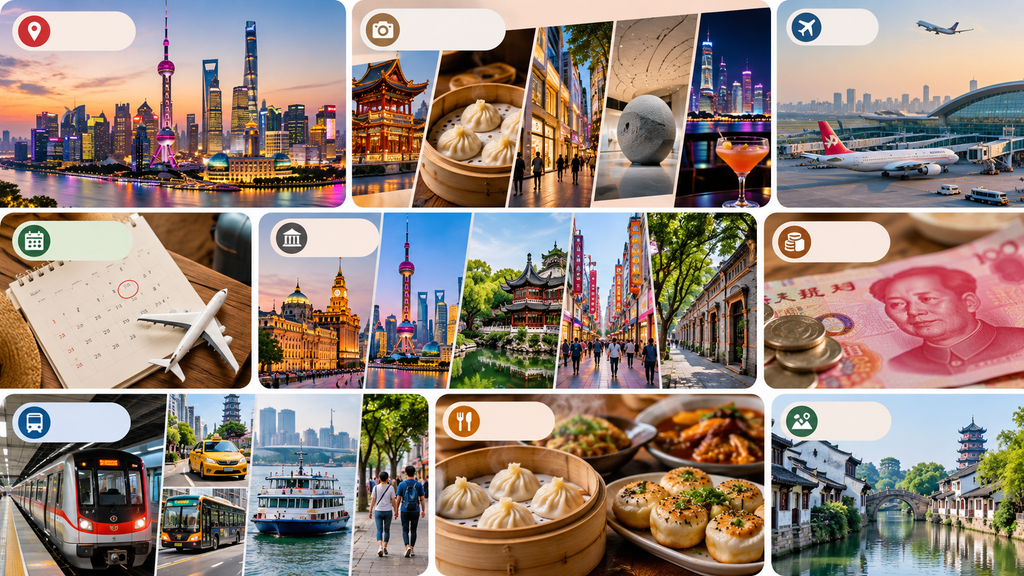
| Travel Detail | Information |
| Destination | Shanghai, China |
| Best for | Architecture, food, shopping, museums, urban sightseeing and nightlife |
| Major airports | Shanghai Pudong International Airport (PVG) and Shanghai Hongqiao International Airport (SHA) |
| Recommended trip length | Around 3–4 days for major highlights |
| Popular attractions | The Bund, Lujiazui, Yu Garden, Nanjing Road and historic neighborhoods |
| Currency | Renminbi (RMB/yuan) |
| Getting around | Metro, buses, taxis, ferries and walking |
| Popular local foods | Xiaolongbao, shengjian bao and other Shanghainese specialties |
| Useful day trips | Suzhou and nearby water towns |
Why Should You Visit Shanghai?
Shanghai deserves a place on a China itinerary because its different historical periods remain unusually visible in the cityscape. The most famous example is the Huangpu River waterfront. On one side stands the Bund, where historic commercial buildings recall Shanghai’s development as an international trading center. Across the river is Lujiazui, where the Oriental Pearl Tower, Shanghai Tower and surrounding skyscrapers create the city’s instantly recognizable modern skyline.
Move away from the waterfront and Shanghai changes again. Traditional gardens, old residential lanes, shopping streets, temples, galleries and leafy neighborhoods provide alternatives to the high-rise city many travelers initially expect.
This variety also means Shanghai works for very different types of trips. Architecture enthusiasts can spend days examining historic buildings, food lovers can seek out Shanghainese specialties, and first-time visitors can combine cultural sightseeing with shopping and nightlife.
Best Places to Visit in Shanghai
1. The Bund
The Bund is the essential starting point for a first visit to Shanghai.
The promenade runs along the western bank of the Huangpu River and provides the classic view across the water toward Pudong. Behind the promenade are heritage buildings that once housed banks, trading companies, hotels and other institutions. The Audley reference highlights 22 heritage buildings along this waterfront corridor.
Visit during daylight if you are interested in architectural details, but consider returning around sunset. As darkness arrives, Pudong’s towers illuminate across the river and the atmosphere changes completely.
Instead of simply stopping for photographs, walk a substantial portion of the waterfront. The contrast between the historic buildings behind you and the modern towers opposite is one of the best ways to understand Shanghai’s development.
2. Lujiazui and the Pudong Skyline
Crossing the Huangpu River takes you from historic Shanghai into one of its most futuristic districts. Lujiazui contains several landmarks that define the Pudong skyline, including the Oriental Pearl TV Tower, Shanghai Tower and Jin Mao Tower. Observation decks and other attractions provide opportunities to see Shanghai from above.
There is an interesting reason to experience both sides of the river: the Bund provides the better perspective of the Pudong skyline, while Pudong lets you look back toward the Bund and central Shanghai. Allow time for both rather than treating them as interchangeable viewpoints.
3. Yu Garden
Yu Garden offers a very different picture of Shanghai from Pudong’s skyscrapers. The garden’s history dates to the Ming Dynasty. Shanghai’s official tourism website states that its origins go back to 1559, when Pan Yunduan began creating a garden by gathering stones and digging a pond. Today, the broader Yu Garden area includes the historic garden as well as commercial and cultural attractions.
Inside the garden, visitors encounter traditional halls, ponds, rockeries, pavilions and carefully arranged landscaping.
Outside is a much busier environment filled with shops, restaurants and visitors. This contrast is part of the appeal: you can experience a traditional Chinese garden and then immediately step into one of central Shanghai’s liveliest tourist areas.
4. Nanjing Road
Travelers who want to experience Shanghai’s commercial energy should make time for Nanjing Road. This famous shopping area is packed with stores, restaurants and illuminated signs. Its location also makes it easy to combine with People’s Square and the Bund.
One practical itinerary is to spend the afternoon around People’s Square and Nanjing Road before walking toward the Bund in time for sunset. The experience changes after dark, when storefronts and advertising displays illuminate the street and pedestrian activity continues into the evening.
5. Shanghai’s Historic Lane Neighborhoods
Not every worthwhile Shanghai experience comes with an admission ticket.
Some of the city’s most interesting areas are its older residential streets and lilong neighborhoods. Historically, many contained shikumen, or stone-gate houses, that combine elements of Chinese residential design with architectural influences associated with Shanghai’s international past. The Audley guide particularly emphasizes these lanes as a quieter counterpoint to the city’s rapid modern development.
Walking is one of the best ways to experience these areas. Look beyond major roads toward smaller streets, neighborhood businesses and surviving historic buildings. However, remember that many historic neighborhoods are residential communities rather than staged tourist attractions. Visitors should photograph and explore respectfully.
6. Former French Concession Areas
Tree-lined streets, historic villas, cafés, boutiques and older residential architecture make the former French Concession areas particularly appealing for travelers who prefer slower sightseeing.
Instead of rushing from landmark to landmark, spend a few hours walking through the neighborhood. Historic architecture and quiet side streets provide a significant contrast to Nanjing Road and Lujiazui. The reference guide also identifies cycling as an effective way to see the backstreets and older neighborhoods.
7. Jade Buddha Temple
Travelers interested in Shanghai’s religious heritage can include the Jade Buddha Temple in their itinerary. The temple remains an important Buddhist site and provides another contrast to the commercial areas surrounding much of central Shanghai. Audley includes it among its recommended Shanghai highlights alongside the Bund and Yu Garden. Temple etiquette and visitor rules should be respected, and travelers should check current opening and admission information before going.
8. M50 Art District
For a different view of contemporary Shanghai, consider visiting M50. Rather than skyscrapers and major shopping malls, the area developed around former industrial spaces occupied by artists, studios and galleries. Audley describes M50 as a former industrial quarter that became associated with independent artists and designers. It is particularly suitable for travelers interested in contemporary art, photography and creative spaces.
Take a Huangpu River Cruise
A Huangpu River cruise gives visitors something that walking the Bund cannot: views of both sides of Shanghai from the water. From the river, historic waterfront buildings and Pudong’s towers form two distinct skylines. Evening cruises are particularly popular because many of the city’s most recognizable buildings are illuminated after dark. A cruise is not essential if your itinerary is short. Walking the Bund and visiting Pudong will still provide excellent waterfront views. But travelers with an extra evening can use a river trip to see the city from another perspective.
What Food Should You Try in Shanghai?
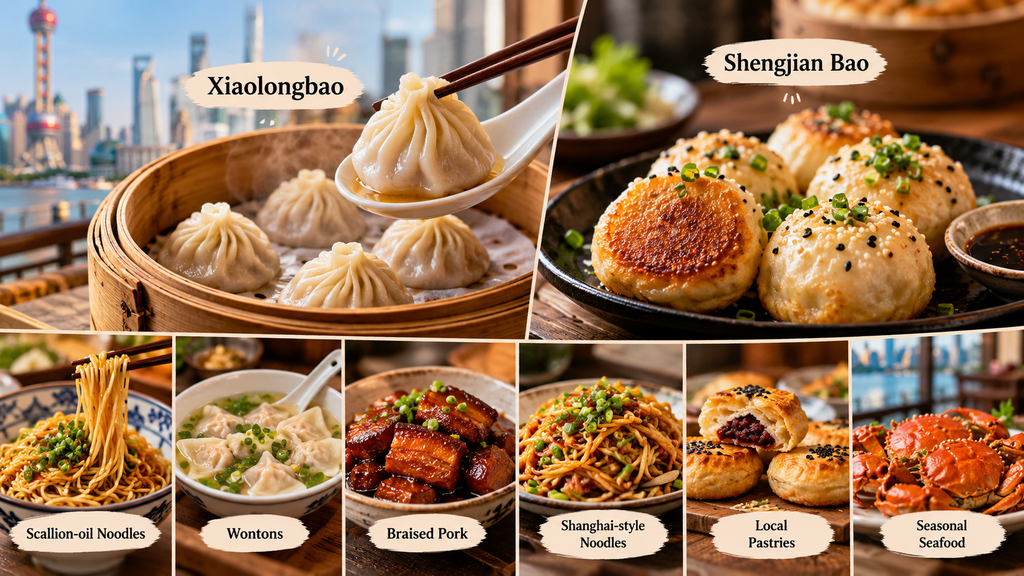
Shanghai is a destination where food should be treated as part of the sightseeing experience.
Xiaolongbao
Perhaps the city’s best-known specialty is xiaolongbao, delicate steamed dumplings containing filling and hot broth. Shanghai’s official tourism guide highlights several places serving the dish, including shops around Huangpu and the Yu Garden area.
There is a practical trick for first-timers: place the dumpling on a spoon and carefully make a small opening before eating it. The broth inside can be extremely hot.
Shengjian Bao
Shengjian bao provides a different dumpling experience. These buns are pan-fried, producing a crisp base while keeping a juicy filling inside. Shanghai’s official visitor guide identifies shengjian bao as another notable local food and lists several specialist shops around the city.
Trying both xiaolongbao and shengjian is worthwhile because their textures and cooking methods are quite different.
Other Foods to Look For
Depending on the restaurant and season, visitors can also look for:
- Scallion-oil noodles
- Wontons
- Braised pork dishes
- Shanghai-style noodles
- Local pastries
- Seasonal freshwater and seafood dishes
A food tour can be helpful for travelers unfamiliar with regional Chinese cuisine. The reference material also recommends culinary experiences that combine neighborhood walking with tastings of regional specialties.
Where Should You Stay in Shanghai?
The best area depends on what you want to do rather than simply which neighborhood has the most hotels.
| Area | Best Suited For |
| Bund/Huangpu | First-time sightseeing and waterfront access |
| People’s Square/Nanjing Road | Shopping and a central base |
| Jing’an | Dining, shopping and city life |
| Historic western neighborhoods | Cafés, architecture and walking |
| Lujiazui/Pudong | Skyline views, modern hotels and business travel |
For a first trip lasting only a few days, a central location near a convenient metro station can reduce travel time considerably.
Shanghai is enormous. A hotel that appears reasonably close to an attraction on a city map may still involve a significant journey, so check the nearest metro station before booking.
How Many Days Should You Spend in Shanghai?
Around three to four days gives a first-time visitor enough time to see Shanghai’s major attractions without turning every day into a race.
A possible four-day itinerary is:
| Day | Suggested Activities |
| Day 1 | People’s Square → Nanjing Road → Bund → evening skyline |
| Day 2 | Yu Garden → Old City area → historic neighborhoods → local dinner |
| Day 3 | Lujiazui → museum or cultural attraction → Huangpu River cruise |
| Day 4 | Additional neighborhoods, art district or day trip |
With only two days, prioritize the Bund, Yu Garden, Pudong and one historic neighborhood.
Travelers particularly interested in food, architecture, museums and neighborhood walking may prefer four or five days.
Best Day Trips From Shanghai
Shanghai’s location also makes it useful as a base for seeing other parts of eastern China.
Suzhou
Suzhou is known for its long history, classical gardens and waterways. Audley’s Shanghai guide lists it approximately 54 miles from the city and recommends it as an excursion from Shanghai.
It works particularly well for travelers who want to combine a major modern city with a destination known for traditional gardens and canal scenery.
Water Towns
Historic water towns around the wider Shanghai region provide another alternative to skyscrapers and busy shopping streets.
Canals, bridges, narrow streets and waterside buildings create a very different atmosphere. A day trip can therefore add useful variety to a Shanghai itinerary without requiring another long hotel stay.
What Is the Best Time to Visit Shanghai?
Late March through May and late September through October are generally attractive periods for visiting Shanghai, particularly for travelers planning extensive outdoor sightseeing. Audley’s destination guidance recommends these periods and advises travelers to consider crowds around major Chinese public holidays.
Spring can be comfortable for gardens and neighborhood walks, although weather conditions vary. Summer tends to be hotter and more humid, so long outdoor sightseeing days can become tiring. Autumn is another popular period for walking and outdoor attractions.
Winter is cooler, and the waterfront can feel particularly cold on windy days, but visitors may still find the city rewarding if they plan a mixture of indoor and outdoor activities. Always check the forecast shortly before departure rather than relying only on seasonal averages.
How to Get to Shanghai
Shanghai is served by two major airports: Shanghai Pudong International Airport (PVG) and Shanghai Hongqiao International Airport (SHA).
Pudong is an important international gateway, while Hongqiao forms part of a major transport hub that is particularly useful for domestic travel and high-speed rail connections.
Public transportation connects both airport areas with the wider city. Shanghai’s Airport Link Line provides another useful connection between the Pudong and Hongqiao airport areas. Current official city guidance states that the full Airport Link Line journey takes about 40 minutes and costs 26 yuan.
Travelers should still allow additional time for walking, transfers, check-in and security when connecting between airports.
How to Get Around Shanghai
Shanghai Metro
The metro is generally the most practical transportation option for sightseeing across Shanghai.
The network reaches many major tourist areas and avoids surface traffic. Shanghai’s official transportation guidance states that standard metro fares begin at 3 yuan for journeys up to 6 km, with distance-based increases afterward.
International visitors have several ways to pay. Eligible contactless UnionPay, Visa, Mastercard, American Express and JCB cards can be tapped directly at Shanghai Metro gates under the city’s Tap to Ride system. The feature was expanded across the urban rail network in June 2025.
Visitors can also purchase single-journey tickets or use other supported transport payment options.
Walking
Shanghai is enjoyable to explore on foot when you concentrate on one neighborhood. For example, Nanjing Road and the Bund can fit naturally into the same walking itinerary. Trying to walk between attractions in distant districts, however, can consume a large part of the day. A better approach is metro between districts and walking within them.
Taxis
Taxis are useful when carrying luggage, returning late in the evening or traveling somewhere inconvenient by metro. Keeping your destination’s Chinese name or address available on your phone can make communication easier.
How Can International Visitors Pay in Shanghai?
Mobile payments are widely used throughout Shanghai, but international visitors now have several options. Overseas travelers can link eligible international bank cards to Alipay or Weixin Pay (WeChat Pay) without opening a mainland Chinese bank account.
Visitors can also pay directly with eligible overseas cards at participating merchants displaying the corresponding card-network logo. Cash remains usable, and RMB can be withdrawn from compatible ATMs. It is sensible to prepare more than one payment method. For example, you might set up an eligible mobile-payment app while also carrying an international card and some RMB.
Doing this before a full day of sightseeing is easier than trying to solve payment issues while ordering food or buying a ticket.
Do You Need a Visa to Visit Shanghai?
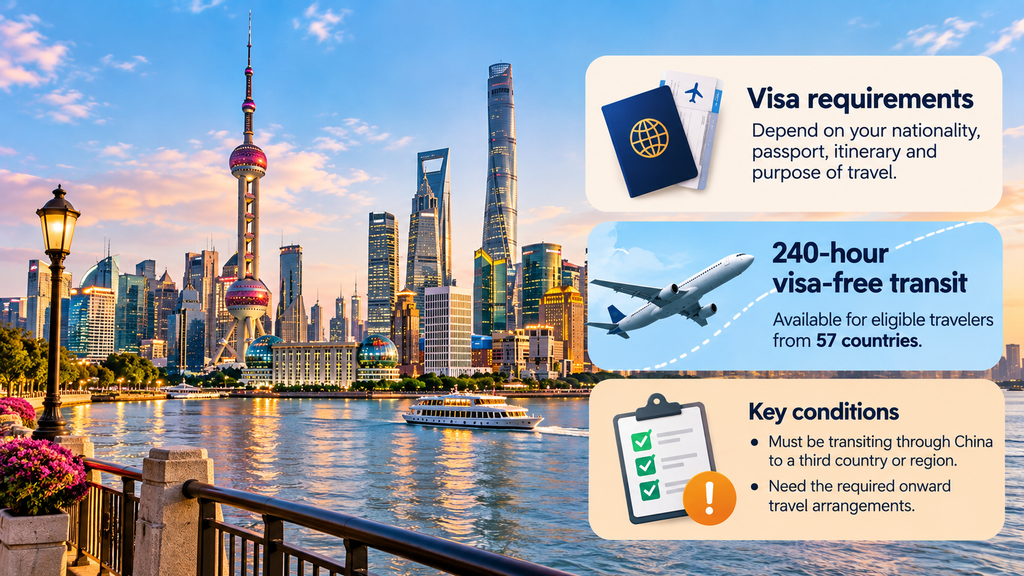
Entry requirements depend on your nationality, passport, itinerary and purpose of travel, so travelers should verify the rules that apply specifically to them before departure.
China currently operates a 240-hour visa-free transit policy for eligible travelers. As of August 20, 2026, China’s National Immigration Administration states that nationals of 57 countries can use the policy if they meet its requirements, including transiting through China to a third country or region and holding the required onward travel arrangements.
The 240-hour arrangement should not be confused with a universal 10-day tourist visa exemption. Eligibility depends on the traveler’s nationality and itinerary. Because immigration policies can change, check the National Immigration Administration of China or the relevant Chinese embassy or consulate before booking travel.
Practical Tips for Visiting Shanghai
A few preparations can make a first Shanghai trip significantly easier:
- Group nearby attractions together. Combining Nanjing Road and the Bund, for example, reduces unnecessary cross-city journeys.
- Set up payment methods before sightseeing. Eligible international cards can be linked to mobile payment services.
- Use the metro for longer journeys. Walking works better within individual districts.
- Keep destination names in Chinese. This can help when communicating with taxi drivers or asking for directions.
- Check attraction requirements before visiting. Opening times, ticket procedures and reservation policies can change.
- Avoid overscheduling. Shanghai’s neighborhoods are part of the experience, so leave time for unplanned walking.
- Check China’s public-holiday calendar. Major holiday periods can mean heavier crowds and greater transport demand.
- Carry a backup payment method. Do not rely entirely on one app or card.
- Allow extra airport-transfer time. Shanghai’s size means journeys can involve substantial distances.
Is Shanghai Worth Visiting?
Yes, Shanghai is worth visiting for travelers interested in architecture, Chinese urban culture, food, shopping and the contrast between historic and contemporary China.
The skyline may be what initially draws attention, but Shanghai becomes more interesting when visitors move beyond it. A morning in a traditional garden can be followed by lunch at a dumpling shop, an afternoon walking through historic streets and an evening looking across the Huangpu River at illuminated skyscrapers. That variety is what makes the city particularly suitable for a first or repeat China itinerary.
Final Thoughts
A successful Shanghai itinerary should balance the city’s famous landmarks with time in its quieter neighborhoods. See the Bund and Pudong, but also walk through older streets, visit Yu Garden, eat Shanghainese food and leave enough time to observe everyday city life.
Around three to four days is a practical starting point for a first visit. Before traveling, confirm current entry requirements, attraction reservations, airport transportation and payment arrangements, as these details can change.
Frequently Asked Questions
Yes. Shanghai has extensive public transportation, major international airports and a broad range of attractions. However, travelers should prepare their payment methods, internet/app requirements and entry documentation before departure.
Three days are sufficient for many major highlights, including the Bund, Pudong, Yu Garden, Nanjing Road and a historic neighborhood. Four days provide more time for museums, food experiences or an excursion.
Yes. Eligible contactless UnionPay, Visa, Mastercard, American Express and JCB cards can currently be used to tap in and out of the Shanghai Metro. Card compatibility conditions apply.
Yes. Overseas visitors can register for Alipay and link eligible international bank cards. Availability can depend on the card network and issuing bank.
Cash remains a payment option. International visitors can obtain RMB through currency exchange or withdraw it from compatible ATMs using eligible overseas cards.
Shanghai is especially famous for the Bund, the Pudong skyline, Yu Garden, Nanjing Road, historic neighborhoods and its food culture. Its mixture of historic and contemporary architecture is one of the city’s defining characteristics.
Xiaolongbao and shengjian bao are two excellent starting points. They are both filled with juicy meat mixtures but use different wrappers and cooking methods, giving them distinctly different textures.
Yes. The metro is particularly useful for long journeys, while walking works well within areas such as the Bund, Nanjing Road and historic central neighborhoods. Buses, taxis and ferries provide additional options.
Both are worthwhile. Daylight makes it easier to appreciate the historic waterfront architecture, while evening provides dramatic views of the illuminated Pudong skyline. Arriving before sunset allows you to experience both.
Yes. Suzhou and historic water-town destinations can be incorporated into a longer Shanghai itinerary. The Audley reference specifically includes Suzhou among its suggested excursions from the city.